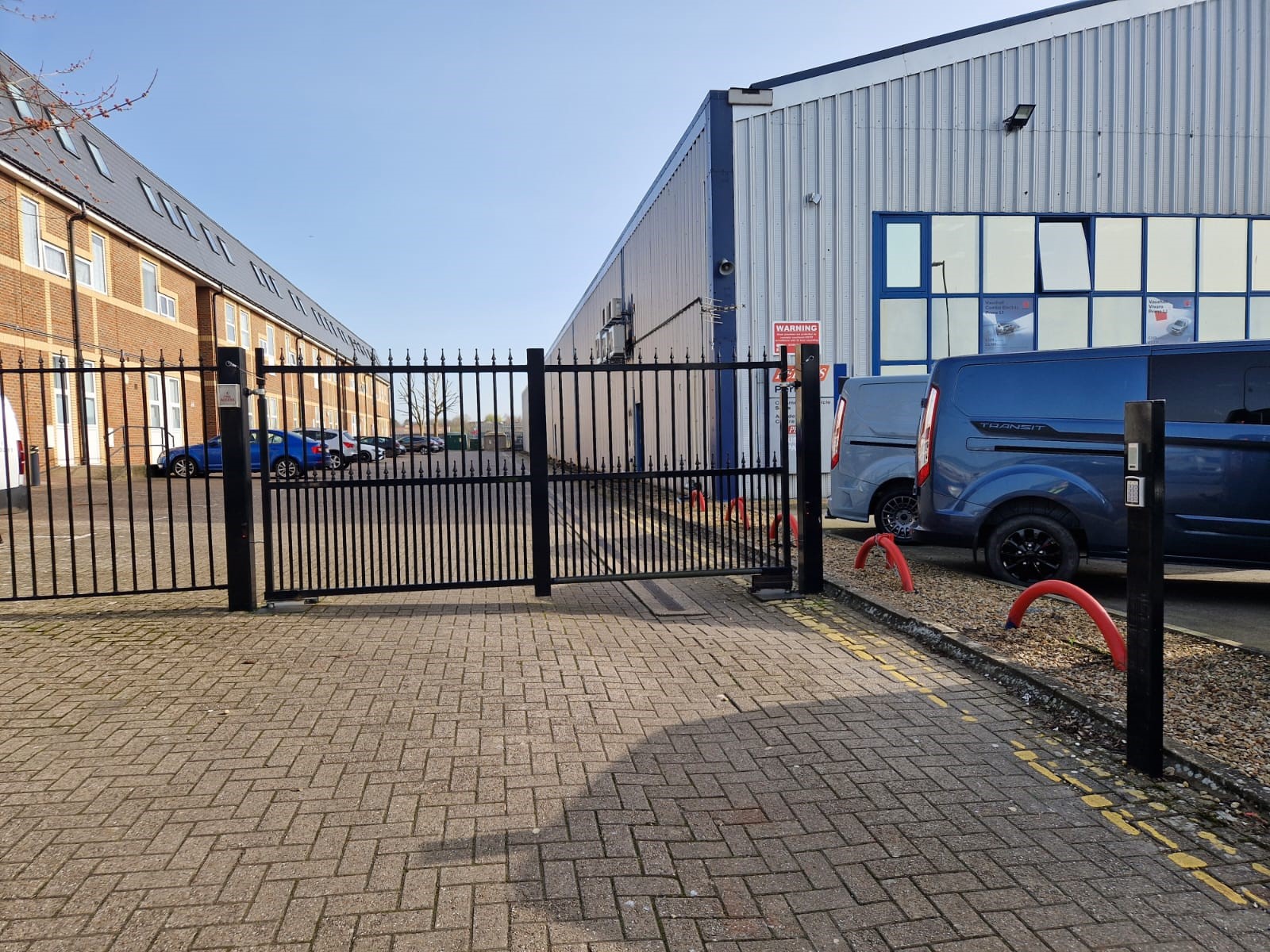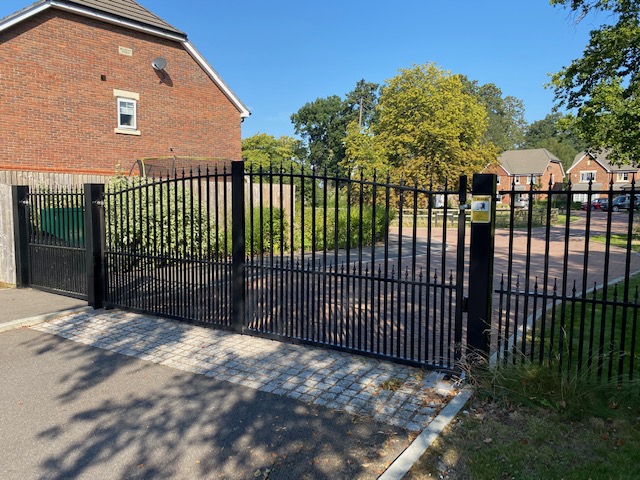
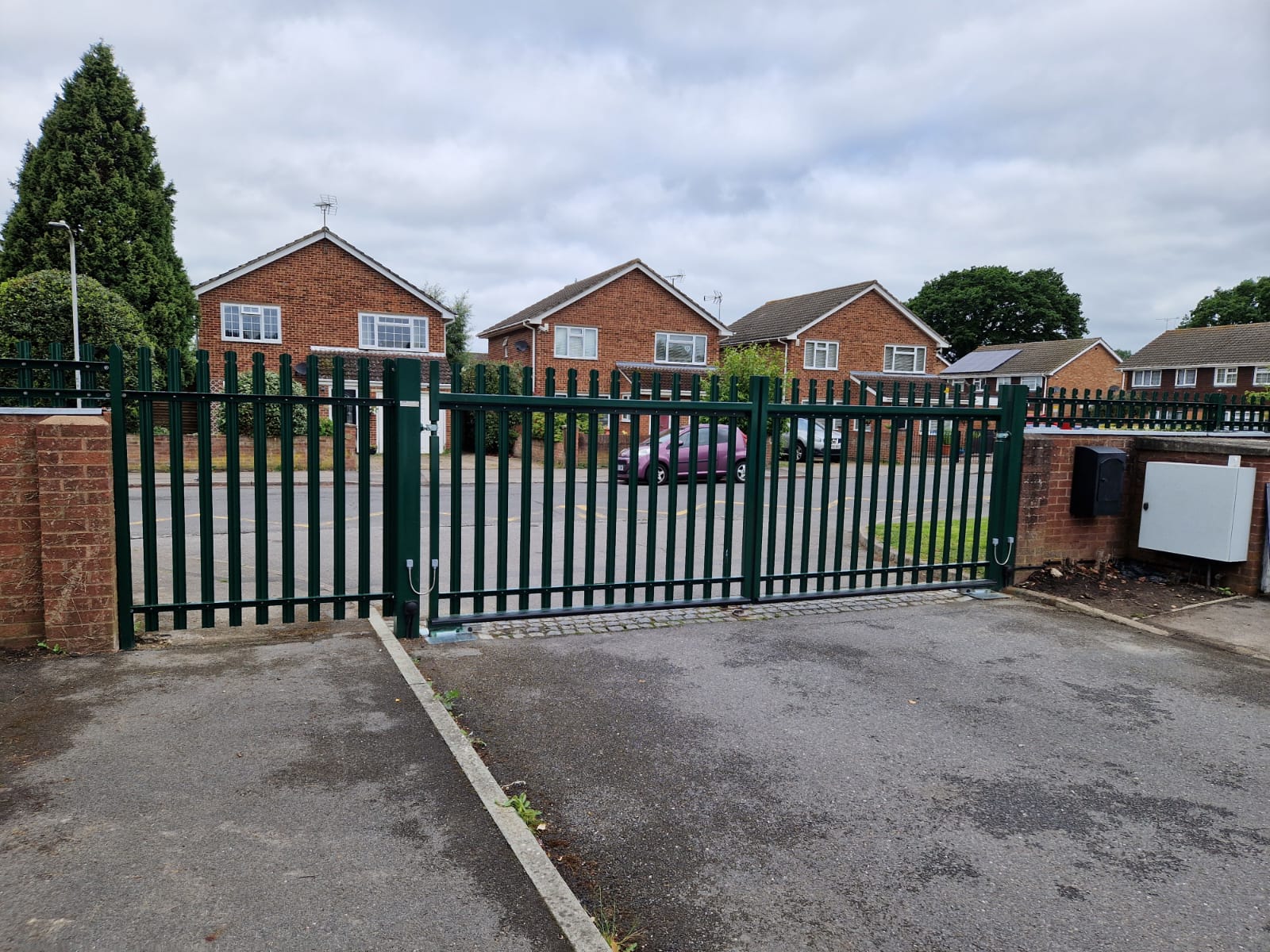

Common mistakes include improper site preparation, choosing the wrong gate type, neglecting safety components, and skipping professional installation — all of which can undermine safety, reliability and long-term performance. Avoiding these automated gate installation mistakes ensures your system operates smoothly, complies with UK safety standards and delivers lasting protection.
Automated gates are a powerful addition to residential, commercial and industrial properties. They enhance security, control vehicle access and improve convenience. However, poorly planned installations often result in costly repairs, compliance issues and serious safety risks.
Understanding the most common automated gate installation mistakes helps property owners make informed decisions from the outset.
Incorrect Gate Selection
One of the most frequent issues when installing Automated Gates is selecting a system that does not match the site conditions or operational requirements. It is essential to carry out a site survey to determine the best solution and for the selected gate installation company to assess what needs to be considered when carrying out a successful installation.
Choosing Style Over Function
Many installations prioritise aesthetics rather than functionality. While appearance matters, there are many other factors to consider such as traffic frequency, wind exposure, available space, ground gradient and the security level required that should be taken into consideration as to the right gate to choose.
It is always best practice to look at the surrounding area first before a type of gate is selected. Some common examples of how the site location and environment could determine the gate chosen are detailed below:
- Swing gates require sufficient clearance to open safely.
- Sliding gates are better suited to limited driveway space.
- Cantilever systems may be necessary for uneven ground.
If the wrong type of gate is selected it can result in some issues with the system including motor strain, premature wear, operational failure and safety hazards. It is essential that a proper risk assessment is carried out to ensure the system matches the environment.
Ignoring Safety Compliance
Automated gates in the UK must comply with strict safety regulations. Ignoring these requirements is not only dangerous, it can also expose property owners to legal liability. Ensuring that the gate installation company is a member of the DHF is the best way of having the peace of mind that the gate will be designed and fitted to comply with the latest regulations.
Essential Safety Components
To help with what the essential safety components are with any system we have compiled the following list. All modern gates should include the following:
- Safety edges
- Photocells (beam sensors)
- Force limitation mechanisms
- Emergency manual release
- Warning signage
Without these safeguards, automated gates can pose serious injury risks and would be considered as non-compliant. For detailed gate safety advice, property owners should consult professional guidance and ensure compliance with current UK safety standards. Neglecting safety compliance is one of the most serious automated gate installation mistakes.
Poor Site Survey and Preparation
There are many steps that need to be carried out to ensure that the correct gate is selected but also that the installation runs as smoothly as possible. Before installation begins, it is essential to carry out a thorough site survey. This survey should be focused on the current state of the ground, drainage, existing on-site structures and any power supply requirements. To ensure that the survey is carried out correctly it is advisable to understand what needs to be covered.
Common Preparation Errors
A full survey of the site where the gate is going to be installed should be very detailed. However there are many common errors that occur including:-
- Failing to assess ground levels
- Inadequate drainage planning
- Weak foundation structures
- Incorrect cable routing
- Overlooking power supply requirements
If the preparation of the site isn’t carried out effectively then it could lead to problems in the future. Automated gates require stable foundations. If posts or tracks are poorly secured, the system may shift over time, leading to misalignment, increased motor strain, uneven opening and closing and ultimately safety malfunctions. Additionally, poor drainage can result in water damage to motors and control systems which can be costly and time consuming to fix. Ultimately, it’s all about the prepwork. Proper groundwork ensures durability and long-term performance and it’s importance shouldn’t be underestimated.