
Time based access control allows businesses to decide who can enter a building, room, or restricted area at specific times of the day or week. Rather than giving someone unrestricted access at all hours, permissions can be matched to job roles, working patterns, and operational requirements. This helps reduce risk, improve accountability, and strengthen site security outside approved hours.
For many organisations, controlling access is not only about locking doors. It is about making sure the right people can get in at the right time, while preventing unnecessary or unauthorised access when the premises should be closed or more tightly secured. Whether you manage an office, warehouse, school, healthcare facility, or industrial site, time based access control can be a valuable part of your wider security strategy.
If you are reviewing your site security and need a more controlled way to manage entry, Security Control Systems provides tailored access control solutions for commercial and high security environments across the UK.
What Time Based Access Means
Time based access control is exactly what it sounds like. It is a security setting that limits entry according to a defined schedule. Instead of giving an employee, contractor, or visitor unrestricted access, the system only allows entry during approved time periods.
For example, an office employee may be allowed access from 7:00 am to 7:00 pm on weekdays, while a cleaning contractor may only be granted access between 6:00 pm and 9:00 pm. A facilities manager may have broader permissions, while visitors may only be admitted during reception hours.
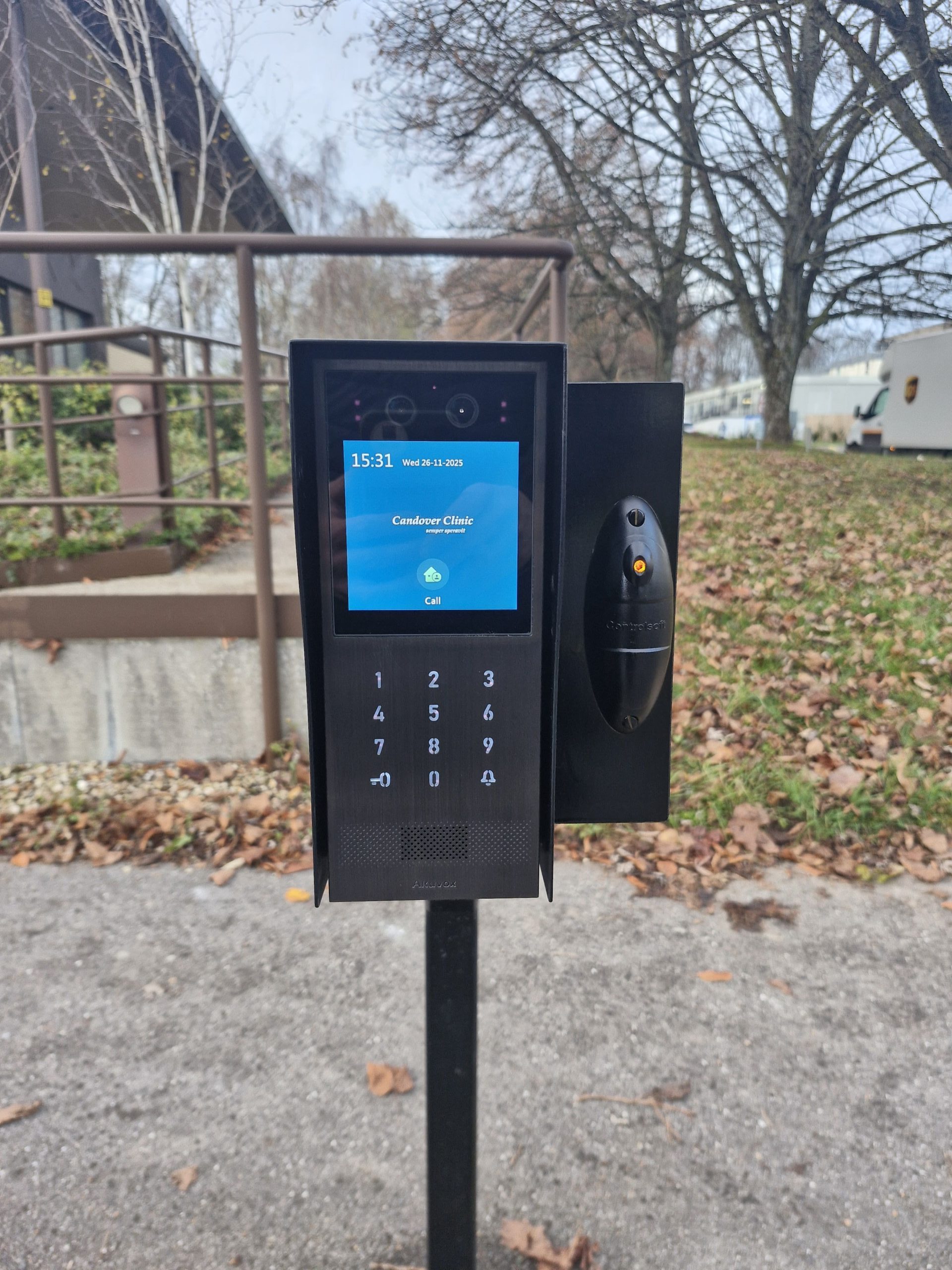
This type of access is usually managed through modern electronic systems such as key cards, fobs, PIN codes, mobile credentials, or biometric readers. Once schedules are programmed into the system, doors automatically follow those rules without the need for someone to manually unlock or supervise them.
That makes time based access control both practical and efficient. It reduces reliance on traditional keys, lowers the risk of human error, and gives organisations much better visibility over who is entering the site and when.
When combined with a professional access control installation, businesses can create a more secure and better managed environment that reflects how the premises actually operate.
Common Use Cases
Time based access control is used across many sectors because it is flexible and can be tailored to different environments.
In office buildings, it is often used to allow staff entry during business hours while restricting access overnight or at weekends. This helps protect the premises when fewer people are on site. It also reduces the risk of unauthorised access outside normal working times.
In schools and colleges, different access permissions can be assigned to teaching staff, administration teams, site managers, and external contractors. Sensitive areas such as IT rooms, staff offices, or maintenance areas can be limited to certain times and authorised personnel only.
In warehouses and industrial facilities, shift workers can be given access according to their rota, while senior staff may have broader permissions. Loading bays, storage rooms, and high value stock areas can also be protected with tighter controls.
Healthcare settings often use scheduled access to secure medicine storage, records rooms, laboratories, and staff only zones. This supports privacy, compliance, and safer day to day operations.
Commercial and residential developments may also use time based access for shared entrances, service areas, car parks, plant rooms, and communal facilities. This gives property managers stronger control over who can enter different parts of the site and when.
If your premises involve multiple user groups, changing schedules, or restricted areas, SCS Secure can help you implement a system that keeps access clear, controlled, and easy to manage.