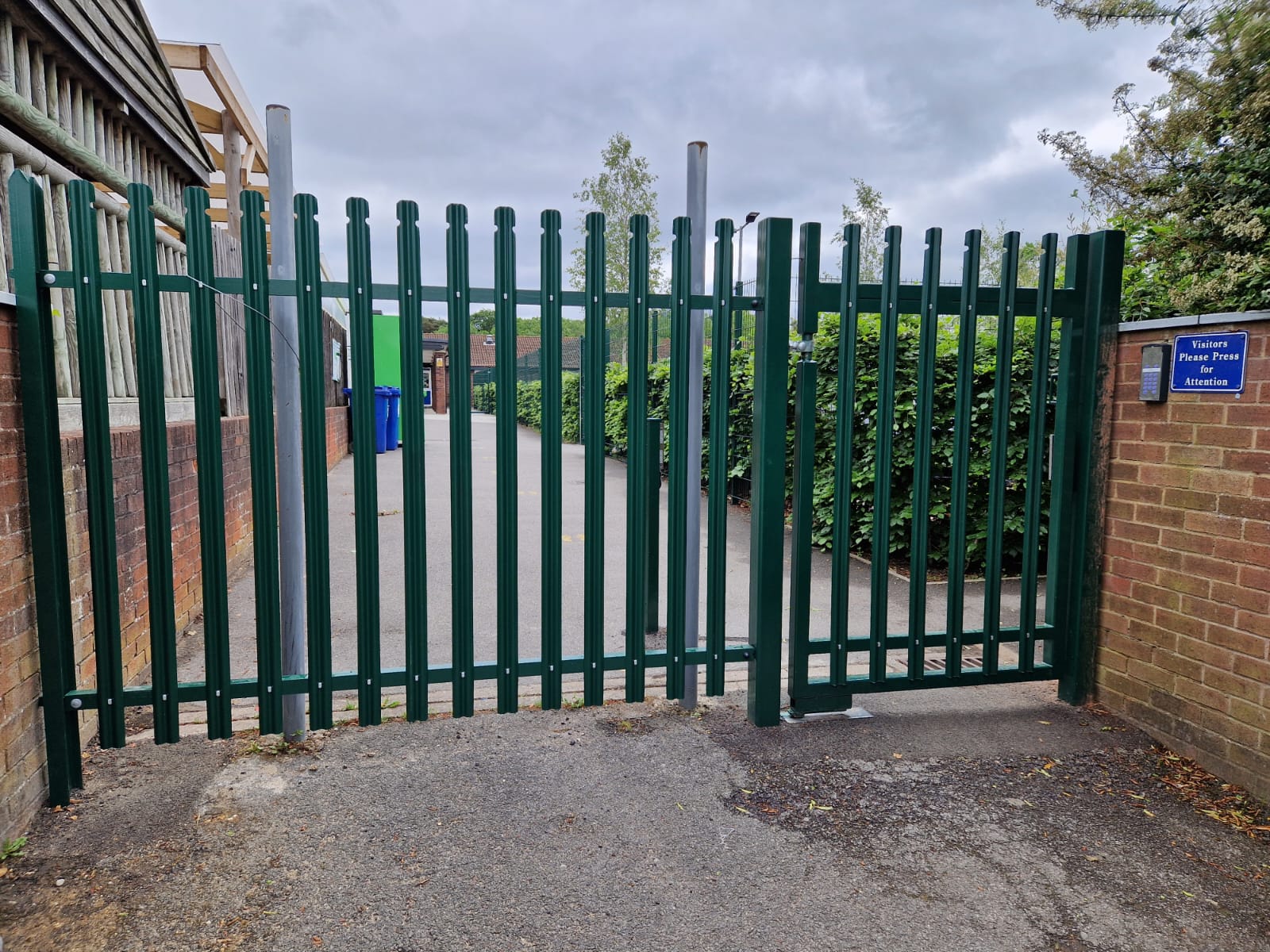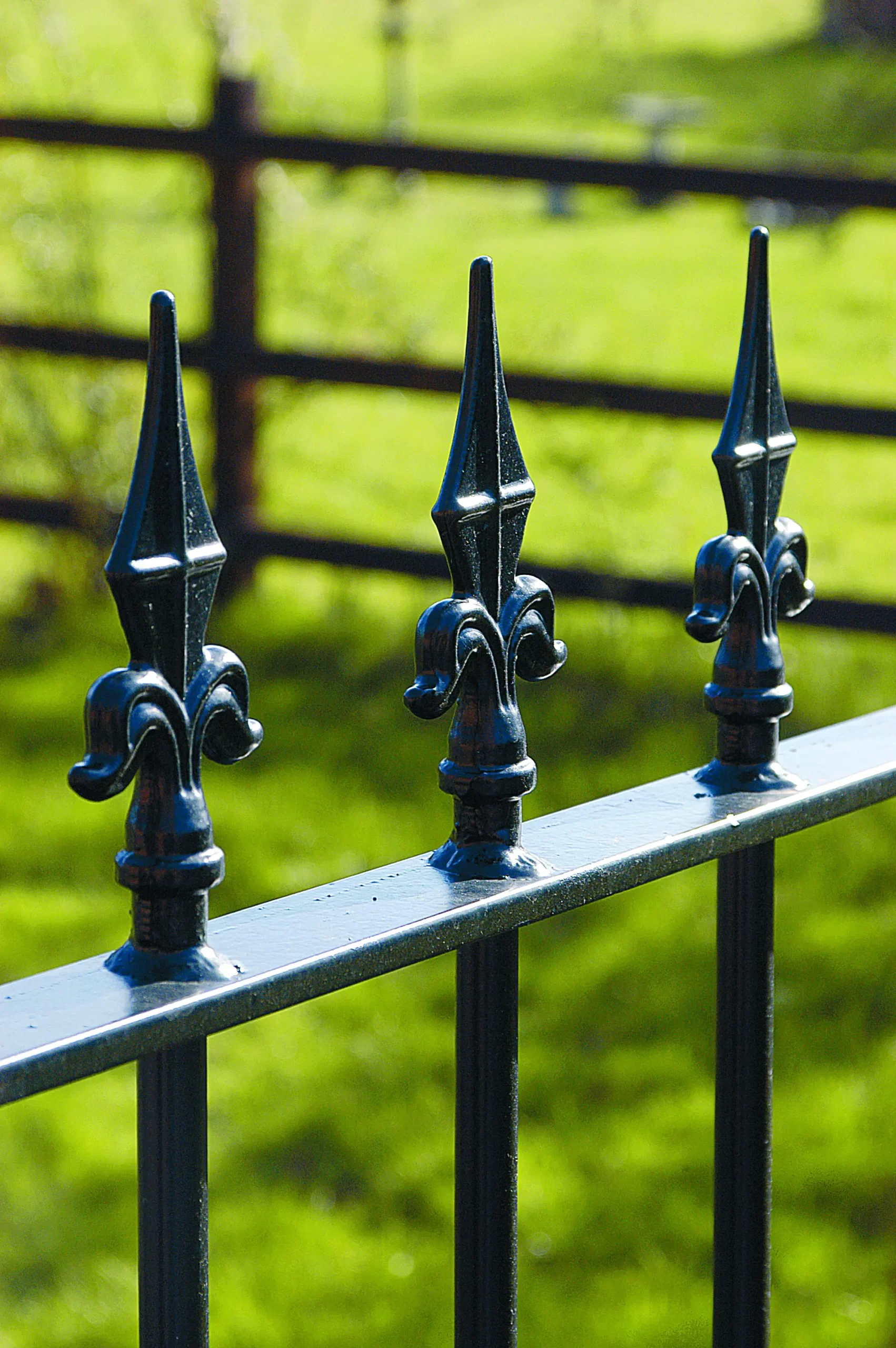
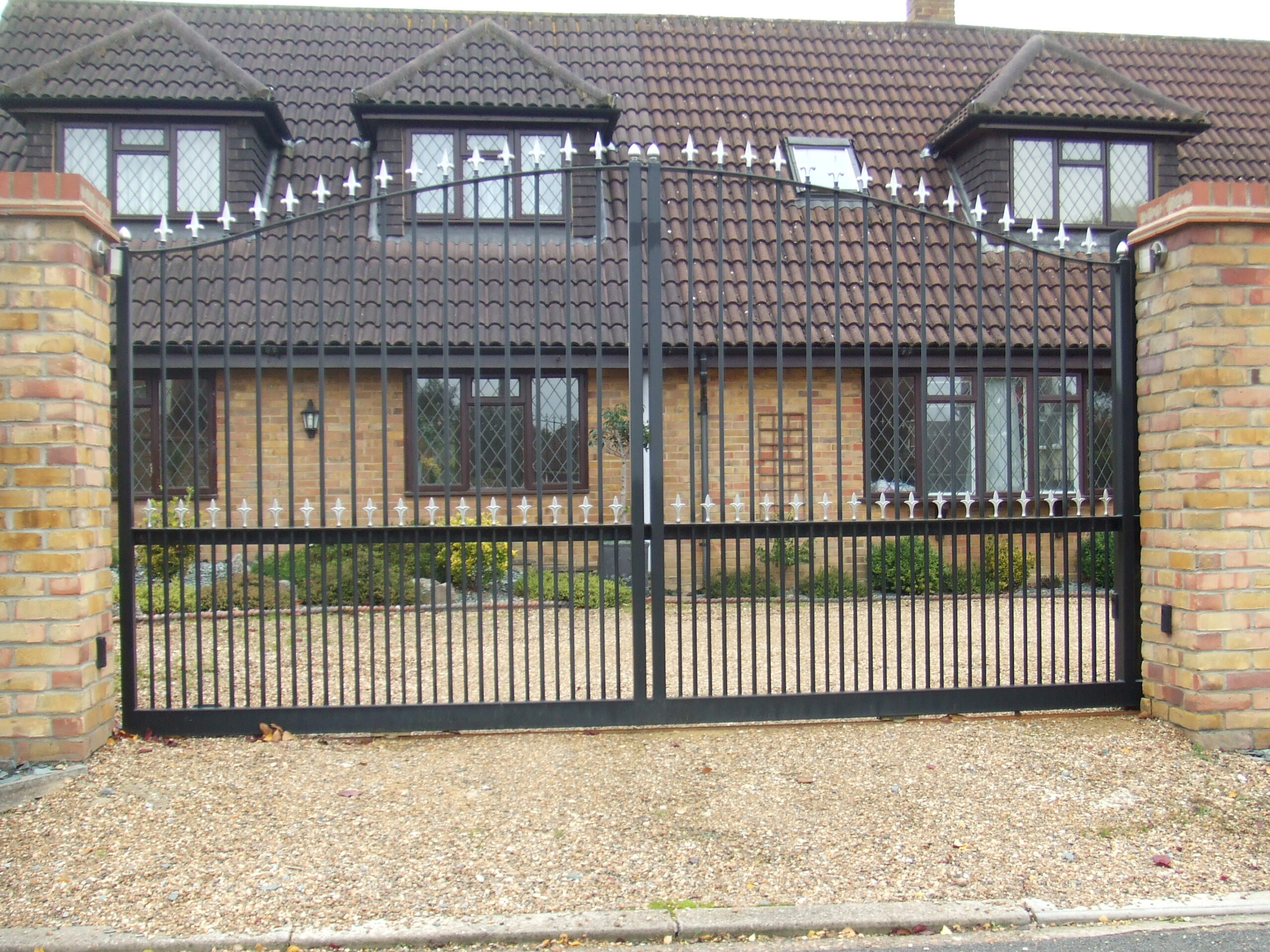

Steel and aluminium are both widely used in security fabrication, but they serve different purposes depending on the site, the level of protection required, and the environment they will be used in. Steel is known for its strength and durability, while aluminium is valued for its lighter weight and strong resistance to corrosion. Choosing the right material depends on the balance between security performance, maintenance needs, appearance, and long term value.
When planning a fabricated security solution, the material matters just as much as the design. Gates, barriers, cages, guards, and other protective structures need to do more than look the part. They must perform reliably, withstand daily use, and suit the conditions of the site. A material that works perfectly for one application may be less suitable for another.
Understanding the differences between steel and aluminium helps property owners, facilities managers, and businesses make more informed decisions when investing in fabricated security products.
Steel Fabrication Benefits
Steel has long been one of the most trusted materials in security fabrication because of its impressive strength and structural reliability. It is commonly used for high security gates, barriers, cages, bollards, guards, railings, and protective enclosures where robust performance is essential.
One of the biggest benefits of steel is its load bearing capacity. It can withstand heavy use, high impact, and greater force than many lighter materials, which makes it particularly suitable for security features designed to deter forced entry or protect valuable assets. In environments where physical strength is a key priority, steel is often the preferred option.
Steel also offers excellent versatility. It can be cut, shaped, welded, reinforced, and finished in a wide range of ways to suit different security applications. Whether the requirement is for a reinforced gate, a secure machinery guard, or a protective storage cage, steel can be fabricated to match the demands of the site.
Another advantage is its suitability for large or heavy duty structures. Commercial and industrial premises often rely on steel for security products because it provides confidence in long term performance under repeated use.
With professionally delivered metal fabrication services, steel can be adapted into security solutions that are both highly durable and tailored to the property’s exact needs.
Aluminium Fabrication Benefits
Aluminium offers a different set of advantages that make it highly appealing for many security applications. While it is lighter than steel, it is still strong enough for a wide range of gates, screens, guards, and fabricated security components.
One of aluminium’s most notable benefits is its resistance to corrosion. Unlike some untreated metals, aluminium naturally performs well in outdoor environments and is often a strong choice for sites exposed to moisture, changing weather conditions, or coastal air. This can make it especially practical for external gates, perimeter features, and installations where reduced maintenance is a priority.
Its lighter weight is another major advantage. Aluminium is easier to handle, transport, and install, and this can be particularly useful for automated gates or fabricated products where reduced overall weight improves operation. A lighter gate, for example, may put less strain on motors, hinges, and moving parts over time.
Aluminium is also often chosen for its cleaner, more modern appearance. It can deliver a sleek finish that suits both contemporary residential and commercial settings. Where appearance matters alongside function, aluminium can offer a very balanced solution.
For many fabricated security products, aluminium provides the right blend of practicality, durability, and lower maintenance without sacrificing performance.