
How Many CCTV Cameras Do I Need?

Max Smith Picture

Max Smith

15th May 2026

The number of CCTV cameras you need depends on the size of your property, the number of entry points, the areas you want to monitor, and the level of detail you need from the footage. A small home may only need 2 to 4 cameras, while a business, school, warehouse, or larger commercial site may need a more detailed CCTV layout with multiple internal and external cameras.

When people ask, “how many CCTV cameras do I need?”, the answer is not always about installing as many cameras as possible. It is about making sure every camera has a clear purpose. The right CCTV system should cover key access points, reduce blind spots, support day-to-day security, and provide useful footage when it is needed.

For properties in Reading and the surrounding areas in Berkshire, a professional CCTV survey is often the best way to decide the right number of cameras, where they should be placed, and what type of CCTV system is most suitable for the site.

Why the Number of CCTV Cameras Matters

The number of CCTV cameras matters because your system needs to provide useful coverage without unnecessary gaps or wasted equipment.

If you install too few cameras, important areas may be left exposed. This can create blind spots around entrances, car parks, rear access points, or vulnerable areas of the property. If an incident happens in one of those areas, the footage may not be clear enough or may not capture the activity at all.

On the other hand, installing too many cameras without proper planning can increase costs without improving security. Some cameras may overlap too much, cover low-risk areas, or fail to capture the level of detail you actually need.

A well-planned CCTV system should help you:

  • Monitor key entrances and exits
  • Deter unwanted activity
  • Record useful footage for evidence
  • Support staff, visitor, and site safety
  • Improve visibility across high-risk areas
  • Reduce security blind spots
  • Support wider systems such as alarms or access control

The goal is not just to answer “how many cameras for CCTV do I need?” The better question is, “which areas need to be monitored, and what should each camera capture?”

Key Factors That Affect How Many CCTV Cameras You Need

Every property is different. The right number of CCTV cameras depends on how the site is used, where the main risks are, and what type of footage you need.

Property Size and Layout

Larger properties usually need more cameras because there are more areas to cover. A small home, office, or shop may only need a few cameras to cover the main entrance, rear access, and key internal areas. A larger site may need cameras across multiple buildings, floors, car parks, yards, entrances, and storage areas.

The layout also matters. A simple open-plan space may be easier to monitor than a property with corridors, corners, stairwells, separate rooms, and external access points.

You may need more cameras if your property has:

  • Multiple floors
  • Several entrances or exits
  • Detached buildings or outbuildings
  • Long driveways or access roads
  • Car parks or yards
  • Internal corridors and stairwells
  • Storage areas or high-value assets
  • Shared access points

This is why camera count should always be based on the site layout, not just the size of the building.

Number of Entry and Exit Points

Entry and exit points are usually the most important areas to monitor. These are the places where people and vehicles come in and out of the property, making them key areas for both security and evidence gathering.

Common access points that may need CCTV coverage include:

  • Main entrance
  • Rear entrance
  • Side doors
  • Staff entrances
  • Fire exits
  • Delivery points
  • Loading bays
  • Vehicle gates
  • Car park entrances
  • Reception areas

For many properties, the number of doors and access points has a major impact on the number of CCTV cameras required. A building with one main entrance may only need a simple setup, while a commercial site with several staff doors, delivery access, and vehicle routes may require a more detailed system.

Indoor vs Outdoor Coverage

Indoor and outdoor CCTV cameras serve different purposes, so it is important to think about both.

Outdoor CCTV is usually used to monitor the perimeter of the property, external access points, vehicle movement, and areas that may be vulnerable outside normal working hours.

Outdoor areas may include:

  • Front entrance
  • Rear entrance
  • Driveway
  • Car park
  • Gates and barriers
  • Loading bays
  • Storage yards
  • Bin areas
  • Perimeter fencing
  • External walkways

Indoor CCTV is often used to monitor movement within the building, protect sensitive areas, and support staff or visitor safety.

Indoor areas may include:

  • Reception areas
  • Corridors
  • Stairwells
  • Stock rooms
  • Till points
  • Server rooms
  • Communal spaces
  • Internal entrances
  • High-value equipment areas

A business may need both internal and external CCTV to create full coverage. However, it is important that indoor cameras are positioned appropriately and do not record private or unsuitable areas.

Blind Spots and Camera Angles

Blind spots are one of the biggest reasons CCTV systems fail to capture useful footage. A blind spot is any area that is not clearly visible to a camera.

Blind spots can be caused by:

  • Walls
  • Corners
  • Pillars
  • Parked vehicles
  • Trees or landscaping
  • Poor lighting
  • Low camera height
  • Incorrect camera angles
  • Obstructions inside the building

Two well-positioned cameras can often provide better security than four poorly placed cameras. This is why camera placement is just as important as the number of cctv cameras installed.

During a CCTV survey, the installer should assess the property from different angles and identify where cameras are needed to reduce blind spots.

Image Detail Required

The number of CCTV cameras you need also depends on the level of detail required from the footage.

Some cameras are used for general overview monitoring. These can show movement, activity, and traffic flow across a wider area. Other cameras need to capture more detailed footage, such as faces, number plates, transactions, or activity around a specific entrance.

For example, a camera covering a car park may provide a general overview of vehicles entering and leaving. However, if you need number plate recognition, the camera may need to be positioned differently or supported by a specialist ANPR camera.

You may need more cameras if you require:

  • Facial identification
  • Number plate capture
  • Till or payment area monitoring
  • Delivery and loading bay footage
  • Perimeter detection
  • Evidence-quality footage
  • Close-up coverage of entrances
  • Wider overview footage for site monitoring

The more specific the footage needs to be, the more carefully the CCTV layout must be planned.
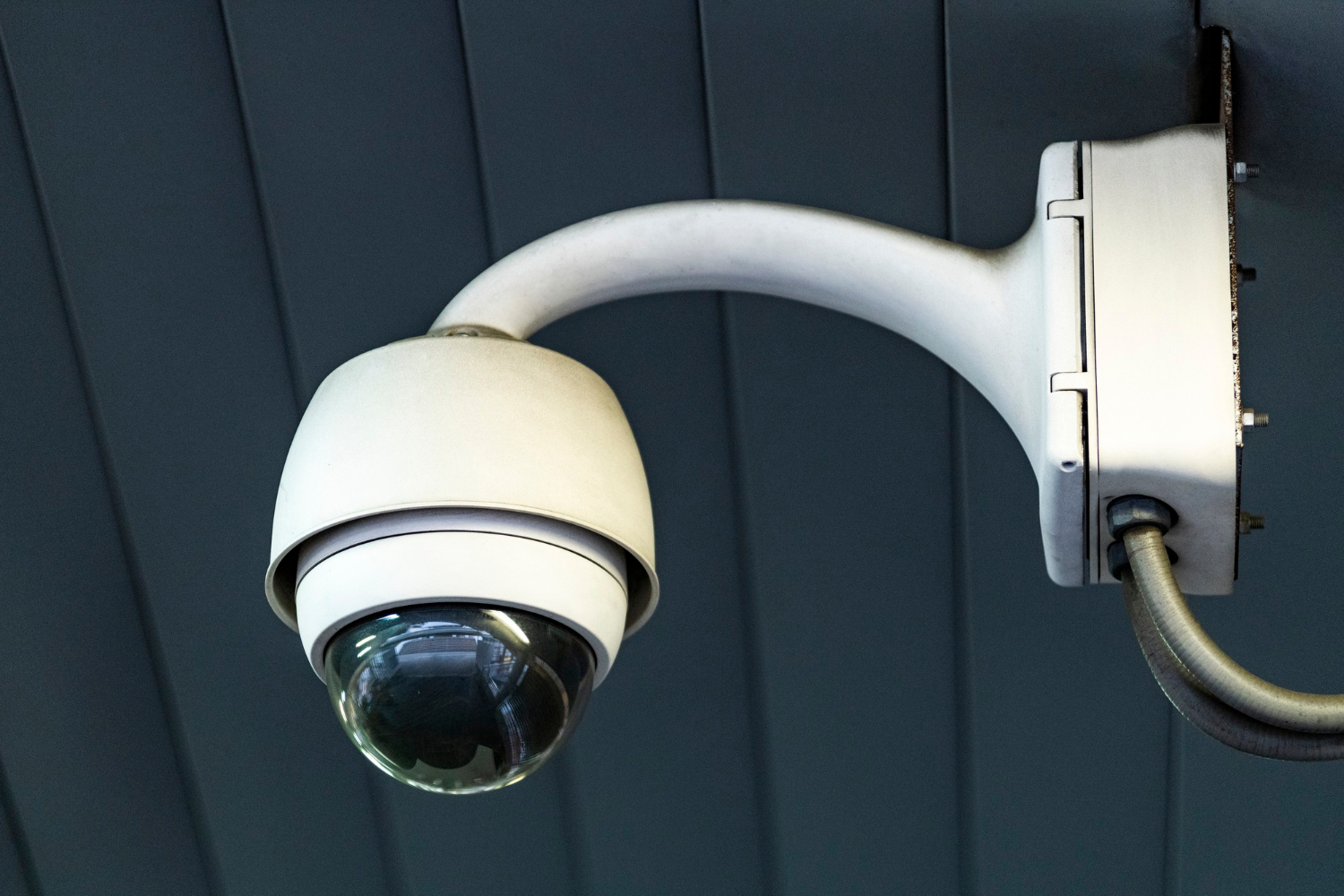
    CCTV installation Reading
    CCTV camera Reading

    CCTV image from Freepik – www.freepik.com

    How Many CCTV Cameras Do I Need for Different Property Types?

    There is no single answer for every property, but the following examples can help you understand what may be required.

    Small Homes or Residential Properties

    A small home may need around 2 to 4 CCTV cameras, depending on the layout and risk areas.

    Common camera positions include:

    For many homes, the main priority is to cover entry points and outdoor areas where people may approach the property. If the home has a garage, side path, or larger garden, additional cameras may be needed.

    Larger Homes or Residential Developments

    Larger homes, gated properties, or residential developments may need 4 to 8 or more cameras.

    Common camera positions include:

    Residential developments may require more careful planning because they often include shared spaces, parking areas, pedestrian routes, and multiple access points.

    Small Businesses and Shops

    A small business or shop may need around 4 to 8 CCTV cameras, depending on the size of the premises and the areas that need to be monitored.

    Common camera positions include:

    For retail environments, camera placement should help monitor customer movement, protect stock, and provide useful footage if an incident occurs.

    Offices and Commercial Premises

    Offices and commercial premises may need around 6 to 12 or more cameras, depending on the layout and number of access points.

    Common camera positions include:

    Offices may also benefit from CCTV integration with access control systems, especially where certain areas need restricted entry.

    Schools and Educational Sites

    Schools often require a site-specific CCTV survey because their security needs are more complex. They may include multiple buildings, entrances, playgrounds, car parks, reception areas, sports facilities, and staff-only spaces.

    A school CCTV system may need to cover:

    CCTV in schools should be planned carefully to support safeguarding, site security, and appropriate privacy considerations.

    Warehouses, Industrial Sites, and Large Commercial Properties

    Warehouses, industrial premises, and large commercial sites may need 10 or more CCTV cameras, depending on the size and risk level of the site.

    Common camera positions include:

    These sites often need a combination of overview cameras, close-up cameras, and sometimes specialist features such as remote monitoring, ANPR, or integration with access control and intruder alarms.

    How Many Cameras for CCTV Coverage Outside a Building?

    Outdoor CCTV coverage should focus on the areas where risk is highest. You do not always need to cover every wall or every inch of the property. Instead, the system should monitor the most important approach points, access routes, and vulnerable areas.

    External CCTV cameras are commonly used for:

    Outdoor camera placement should also consider lighting, weather exposure, camera height, and vandal resistance. A camera that works well during the day may not provide useful footage at night if lighting has not been considered.

    For larger external areas, it may be better to use several well-positioned cameras rather than relying on one camera to cover too much distance.

    How Many Cameras for CCTV Inside a Building?

    Indoor CCTV is usually used to monitor access, movement, and sensitive areas inside the property. The number of cameras needed will depend on the building layout and the purpose of the system.

    Internal CCTV cameras are commonly used for:

    Indoor camera placement should be handled carefully. CCTV should not be installed in private areas such as toilets, changing rooms, or other inappropriate spaces. It should also be positioned in a way that supports security without creating unnecessary privacy concerns.

    For businesses, clear signage and proper data handling are also important parts of responsible CCTV use.

    Camera Placement Is More Important Than Camera Count

    When planning a CCTV system, camera placement is often more important than the total number of cameras.

    A camera needs to be positioned where it can capture useful footage. If it is placed too high, too far away, or at the wrong angle, it may show that something happened but fail to capture the detail needed to identify a person, vehicle, or incident.

    Good camera placement considers:

    For example, a wide-angle camera may be useful for general monitoring of a car park, but it may not capture clear facial detail at an entrance. In that case, a second camera may be needed closer to the doorway.

    This is why a professional CCTV design should give every camera a specific job. Some cameras may be used for wide-area monitoring, while others may be used for close-up identification.

    Common CCTV Camera Placement Mistakes

    A CCTV system can only perform well if the cameras are positioned correctly. Poor placement can lead to weak footage, missed incidents, and unnecessary costs.

    Installing Cameras Too High

    Cameras are often placed high to prevent tampering, but if they are too high, they may not capture clear facial detail. The footage may show the top of someone’s head rather than their face.

    Height matters. Cameras should be placed high enough to be secure but low enough to capture useful images.

    Ignoring Lighting Conditions

    Lighting has a major impact on CCTV footage. Glare, shadows, bright sunlight, and poor night-time visibility can all reduce image quality.

    Before installation, it is important to consider how the area looks during the day and at night. Outdoor cameras may need infrared, low-light capability, or additional lighting to perform properly.

    Leaving Entry Points Uncovered

    Entrances and exits are usually among the most important areas to monitor. If a system misses the main door, rear access, or vehicle entrance, it may fail to capture the most valuable footage.

    Any CCTV layout should begin by identifying the main ways people and vehicles enter and leave the site.

    Overlapping Too Much Coverage

    Some overlap can be useful, especially in high-risk areas. However, too much overlap may mean cameras are being wasted on the same view while other areas remain uncovered.

    A good CCTV design balances coverage so that important areas are protected without unnecessary duplication.

    Not Considering Future Expansion

    A CCTV system should be planned with future needs in mind. If a business expands, changes its layout, opens a new access point, or adds a new car park, the system may need to grow with it.

    Choosing a scalable system can make future upgrades easier and more cost-effective.

    Do I Need CCTV Monitoring Too?

    The number of CCTV cameras is only one part of the system. You should also consider how the footage will be used.

    Some CCTV systems are designed for recording only. This means footage is stored and reviewed after an incident. Other systems allow remote viewing, live monitoring, or integration with alarms and access control.

    CCTV monitoring may be useful for:

    A CCTV system can also be connected with other security solutions, such as intruder alarms, access control, gates, and barriers. This can create a more complete security setup where different systems work together.

    For example, if an alarm is triggered, CCTV footage can help verify what is happening. If access control logs show entry at a certain time, CCTV can provide supporting visual evidence.

    Why a Professional CCTV Survey Is the Best Way to Decide

    The best way to know how many CCTV cameras you need is to arrange a professional CCTV survey. This allows an experienced installer to inspect the site, identify risk areas, and design a system based on your actual layout.

    A CCTV survey can assess:

    This is especially important for businesses, schools, warehouses, commercial premises, and sites with multiple entrances or high traffic levels.

    Professional CCTV installation in Reading can help ensure your system is not only correctly installed but also designed to provide practical and reliable coverage.

    FAQs About CCTV Camera Numbers

    How many CCTV cameras do I need for my house?

    Most small homes may need 2 to 4 CCTV cameras. These usually cover the front door, rear garden, driveway, and side access. Larger homes or properties with garages, gates, or wider outdoor areas may need more.

    How many cameras for CCTV do businesses usually need?

    Small businesses may need around 4 to 8 CCTV cameras, while larger commercial sites may need 10 or more. The exact number depends on the size of the premises, number of entrances, internal layout, and areas that need monitoring.

    What affects the number of CCTV cameras needed?

    The number of CCTV cameras needed depends on property size, entry points, blind spots, outdoor areas, lighting, camera angles, and the level of detail required from the footage.

    Is camera placement more important than the number of CCTV cameras?

    Yes. Camera placement is often more important than camera count. A smaller number of well-positioned cameras can provide better coverage than a larger number of poorly placed cameras.

    Do I need CCTV cameras inside and outside?

    Many properties benefit from both indoor and outdoor CCTV. Outdoor cameras monitor entrances, car parks, yards, and perimeters, while indoor cameras monitor reception areas, corridors, stock rooms, and other important internal spaces.

    Can CCTV cameras cover a whole property?

    CCTV cameras can provide strong coverage across a property, but they need to be planned correctly. Large sites usually require multiple cameras positioned to reduce blind spots and capture useful footage.

    Do I need a professional CCTV survey?

    Yes. A professional CCTV survey is the most reliable way to determine the right number of cameras, the best camera locations, and the most suitable system for your property.

    Book CCTV Installation in Reading

    Not sure how many CCTV cameras you need? Security Control Systems can assess your property and recommend a CCTV setup tailored to your home, business, school, or commercial premises.

    From entry points and car parks to internal areas, stock rooms, and perimeter coverage, a professionally designed system can help you improve security, reduce blind spots, and capture footage that is actually useful.

    For trusted CCTV installation in Reading, contact Security Control Systems today to discuss your requirements and book a CCTV survey.

    Max Smith Picture

    Max Smith

    15th May 2026

    From studying for a Politics degree, Max took the less than obvious path into the environs of Security as a Locksmith back in 1985! Thirty plus years later, it’s a journey that has seen the achievement of NSI Gold accreditation for Intruder Alarms, Access Control & CCTV, plus the introduction of a sister company specialising in Gate Automation Solutions. With a wealth of both Engineering and management experience, Max has an active interest in the evolution of the Security Industry and its future direction.

    Website Built By Web Design SEO