
When it comes to protecting people and property, there is no one-size-fits-all approach. While both residential and commercial security aim to deter crime and improve safety, the systems behind them are designed for very different environments.
Residential security focuses on protecting families, homes, and personal belongings with user-friendly technology and reliable intrusion detection. Commercial security, on the other hand, is built to secure larger premises, safeguard valuable assets, manage employee access, meet compliance requirements, and provide continuous monitoring.
Understanding these differences helps ensure you invest in the right solution rather than paying for features you do not need—or overlooking capabilities that are essential.
Core Security Goals for Homes
The primary objective of residential security is to prevent unauthorised access while providing homeowners with confidence and peace of mind.
Modern home security systems are designed to be simple to use while offering effective protection around the clock. Most homeowners want to:
- Deter burglars before they attempt to enter.
- Monitor their property while away.
- Protect family members and valuables.
- Receive instant alerts if suspicious activity occurs.
- Remotely control their security system through a smartphone.
Typical residential systems include:
- Intruder alarms
- Video doorbells
- Smart locks
- Indoor and outdoor CCTV cameras
- Motion detectors
- Window and door sensors
Many modern systems also integrate with smart home devices, allowing homeowners to arm or disarm alarms, view live camera feeds, or receive notifications from virtually anywhere.
Residential security is generally designed for convenience, affordability, and ease of operation without requiring specialist security staff.
Looking for reliable home security systems? Explore our home security systems to protect your property with professionally installed solutions.
Commercial Security Requirements
Businesses face a much broader range of security challenges than residential properties.
Commercial buildings often accommodate employees, contractors, visitors, suppliers, and customers, all of whom may require different levels of access. In addition, businesses must protect expensive equipment, confidential information, inventory, and sensitive operational areas.
This means commercial security solutions often require multiple layers of protection rather than relying on a single alarm system.
Commercial security commonly includes:
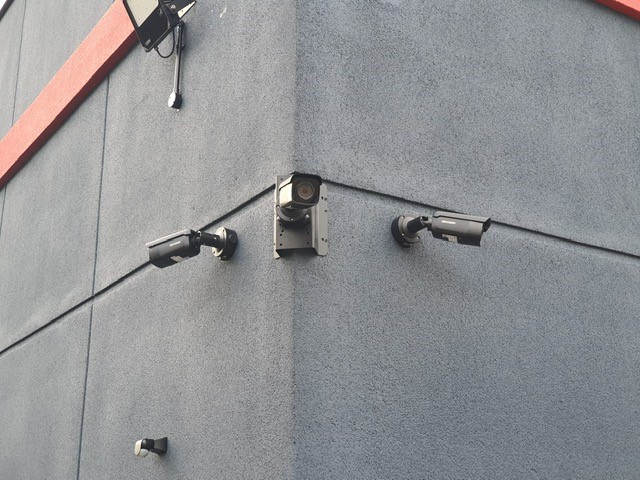
- High-definition CCTV across the premises
- Intruder alarm systems
- Monitored alarm response
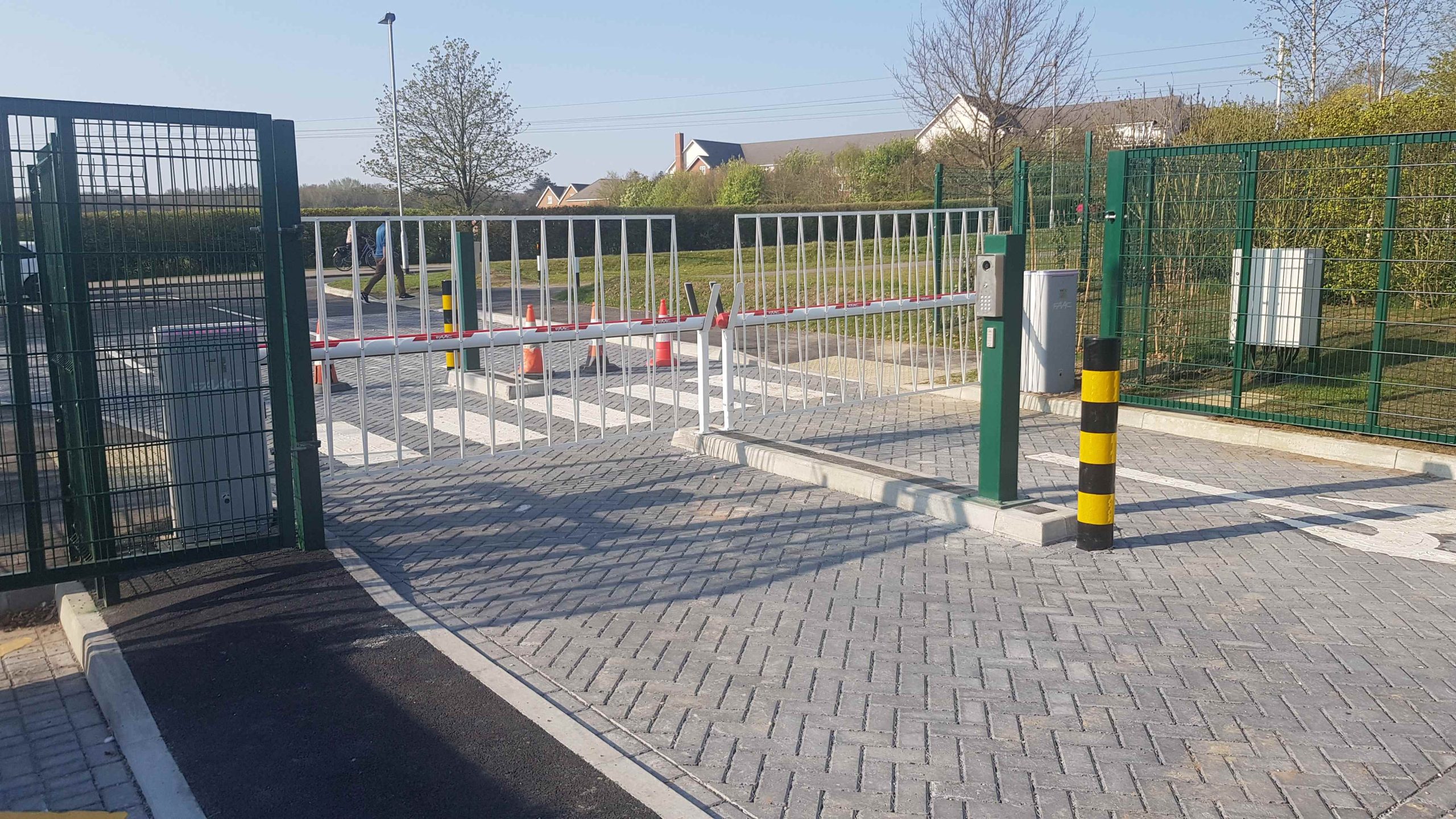
- Access control
- Visitor management
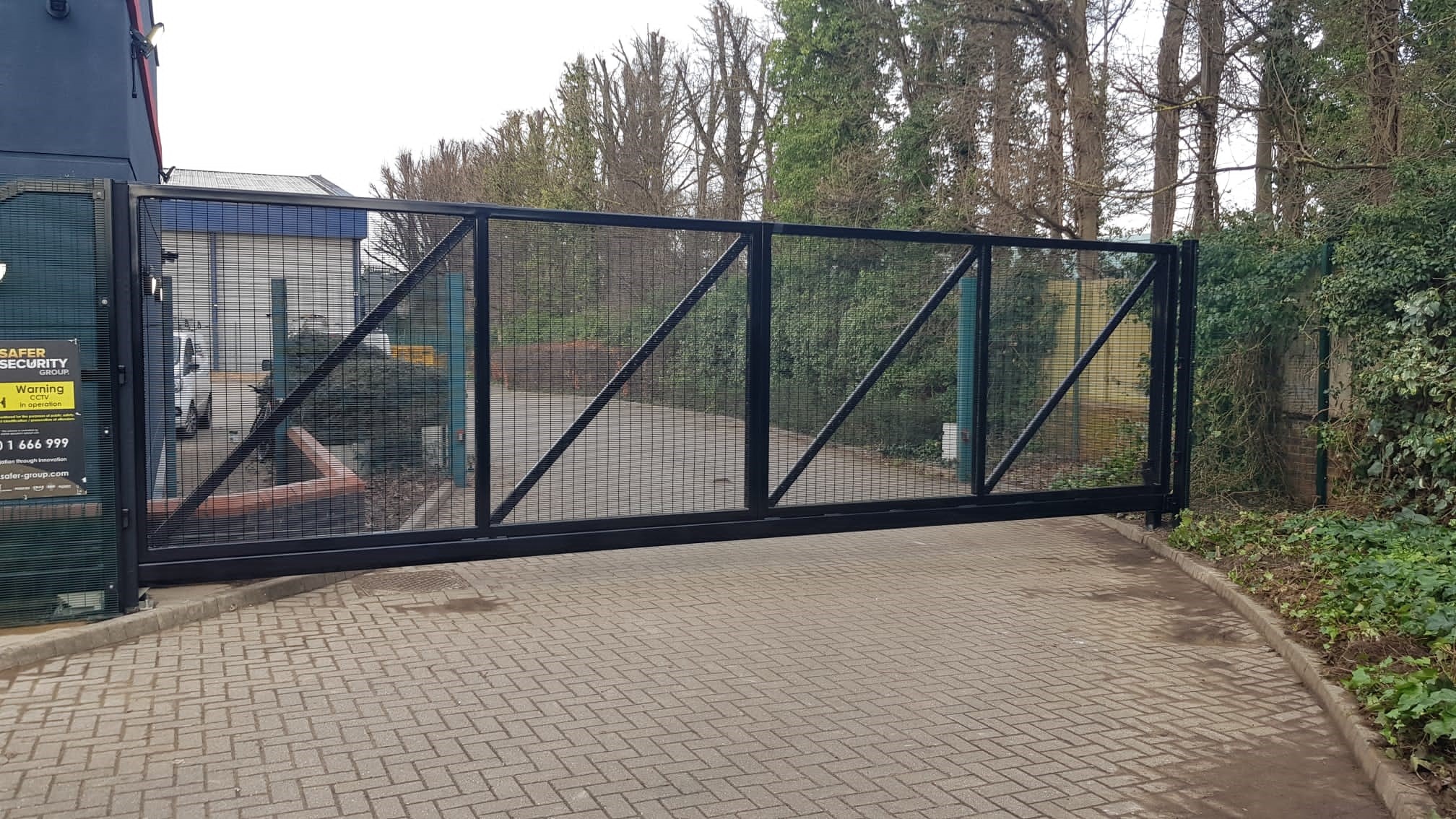
- Perimeter security
- Security lighting
- Remote monitoring
- Fire and life safety integration
Businesses may also need to comply with insurance requirements, industry regulations, or internal security policies.
Unlike residential systems, commercial security is usually designed to support multiple users, multiple buildings, and larger numbers of devices while remaining reliable 24 hours a day.
Whether operating a retail shop, warehouse, office, school, healthcare facility, or industrial site, businesses benefit from security systems that can grow alongside their operations.
Discover our commercial security solutions for tailored protection designed around your business.