Choosing the Right CCTV System for Your Oxford Retail Business
There is no single CCTV configuration suitable for every retail business. The right system will depend on factors including the size of the premises, lighting conditions, security risks and the level of monitoring required.
IP CCTV vs Traditional CCTV
Modern IP CCTV systems use a network to transmit video and can provide high-resolution footage, flexible installation options and remote access capabilities.
Traditional analogue CCTV may still be suitable for certain applications, particularly where an existing system is already in place. A professional installer can assess your current infrastructure and recommend whether upgrading, expanding or replacing the system is appropriate.
High-Definition Cameras
Image quality is particularly important in retail environments. Poor-quality footage may make it difficult to identify individuals or understand what happened during an incident.
High-definition cameras can capture greater detail, particularly around entrances, tills and other high-priority areas.
Night Vision and Low-Light CCTV
Retail security does not stop when the doors close.
Cameras with suitable low-light or night-vision capabilities can help monitor the premises outside normal trading hours. This can be especially useful for external entrances, rear access points and other areas that may be vulnerable overnight.
Remote CCTV Monitoring
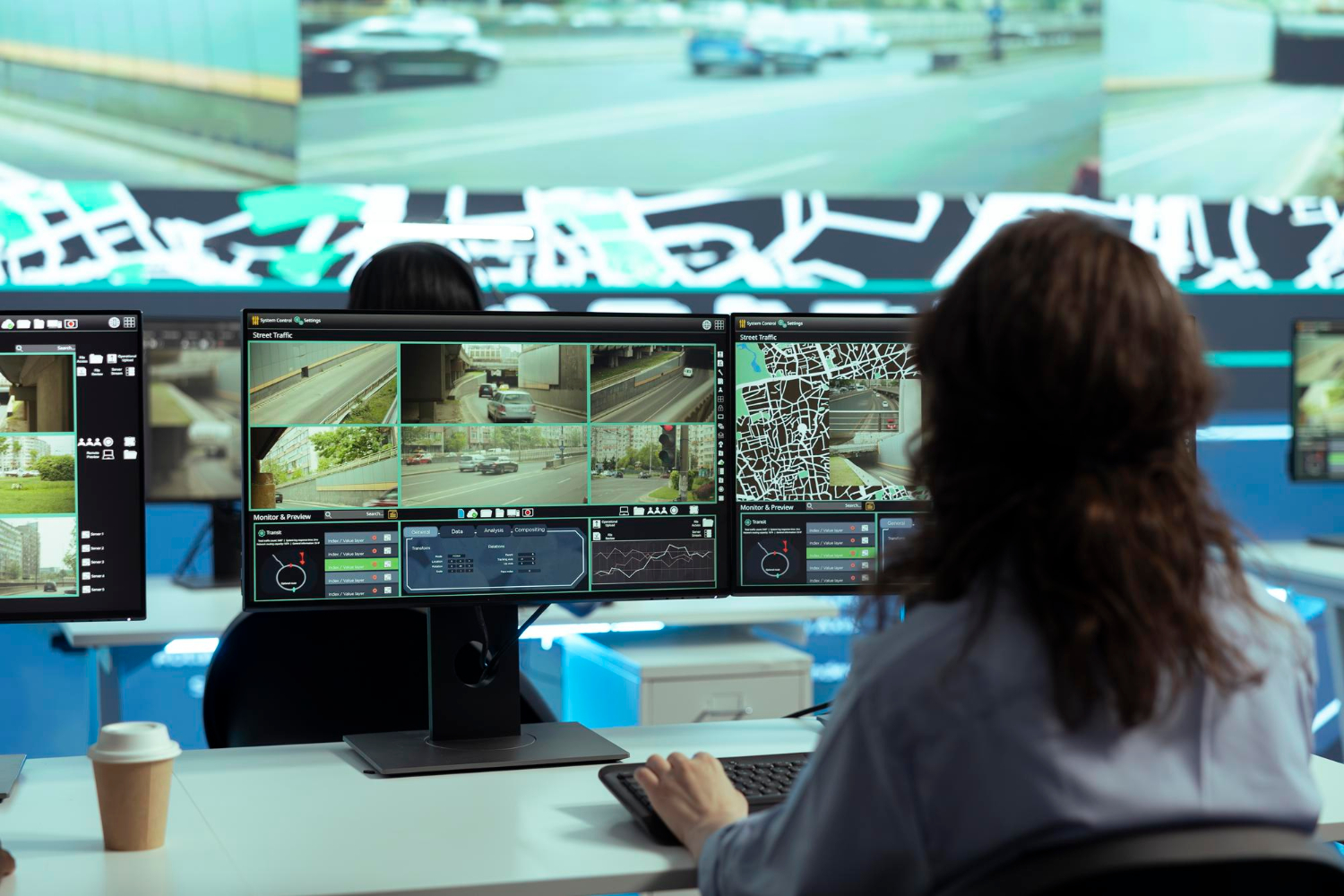
Some CCTV systems allow authorised users to securely view live or recorded footage remotely using compatible devices.
This can be useful for business owners and managers who need visibility when they are away from the premises, as well as organisations responsible for several retail locations.
CCTV Recording and Storage
Retailers should also consider how footage will be recorded and stored.
The appropriate solution will depend on factors such as the number of cameras, recording quality and required retention period. Whatever storage method is used, footage should be protected against unauthorised access and retained only for as long as necessary for its intended purpose.
CCTV Installation for Different Types of Retail Businesses in Oxford
Oxford has a diverse retail environment, and security requirements can vary considerably between businesses.
Professional retail CCTV installation in Oxford can be tailored for premises such as:
- Independent shops
- Convenience stores
- Fashion retailers
- Jewellery and high-value retailers
- Pharmacies
- Electronics shops
- Supermarkets and food retailers
- Shopping centre units
- Multi-site retail businesses
A smaller shop may require only a carefully selected group of cameras covering key areas. Larger retail premises may need a more extensive system incorporating multiple cameras, recording equipment, remote access and integration with other security technologies.
The goal should be to design the system around the actual risks and layout of the premises rather than applying a standard configuration to every business.
Integrating CCTV With Other Retail Security Systems
CCTV can provide valuable visual oversight, but it can be even more effective when incorporated into a wider security strategy.
Depending on your requirements, CCTV may be used alongside:
- Intruder alarms
- Access control systems
- Door entry systems
- Security lighting
- Remote monitoring
- Other commercial security measures
For example, CCTV footage can provide additional context when an alarm is activated, while access control can help restrict entry to staff-only or sensitive areas.
An integrated approach can make it easier to manage different security risks across the same premises.
CCTV and UK Data Protection Rules for Retailers
Businesses using CCTV must consider their responsibilities under UK data protection legislation.
Retailers should have a clear and legitimate purpose for operating CCTV and ensure that surveillance is proportionate to that purpose. Cameras should not capture more information than is reasonably necessary.
Important considerations include:
- Clearly informing people that CCTV is in operation
- Using appropriate signage
- Positioning cameras responsibly
- Restricting access to recorded footage
- Protecting recordings against unauthorised access
- Establishing an appropriate retention period
- Having procedures for dealing with requests for footage
Businesses should also consider whether their use of CCTV requires additional documentation or assessments under data protection requirements.
Guidance can change, so retailers should refer to current Information Commissioner’s Office (ICO) guidance when establishing or reviewing their CCTV practices.
Why Professional Retail CCTV Installation Matters
CCTV performance depends heavily on how the system is designed and installed.
A professional installation starts by understanding the premises and identifying areas where security coverage is required. This helps determine the appropriate cameras, positioning, recording equipment and supporting infrastructure.
Professional installation can also help with:
- Identifying and reducing blind spots
- Selecting cameras suited to different lighting conditions
- Achieving suitable image quality
- Configuring recording and storage
- Setting up secure remote access where required
- Integrating CCTV with compatible security systems
- Planning for future expansion
- Providing ongoing maintenance and technical support
This is particularly important for businesses where security requirements may change as premises, opening hours or operations develop.
What to Consider Before Installing CCTV in Your Oxford Shop
Before choosing a CCTV system, it is useful to establish exactly what you want the system to achieve.
Consider the following:
Premises size and layout: How many areas need to be monitored, and are there any existing blind spots?
Entrances and exits: Which access points require coverage?
High-risk areas: Are there particular products, tills, stockrooms or other areas where additional monitoring is required?
Image quality: What level of detail needs to be captured?
Lighting conditions: Will cameras need to operate effectively in low light or darkness?
Recording and retention: How much footage needs to be stored and for how long?
Remote access: Do owners or managers need secure access to cameras when away from the premises?
Existing security: Can the CCTV system work alongside your alarms, access control or other security measures?
Future requirements: Could the system need additional cameras or locations later?
Assessing these factors before installation can help ensure the finished CCTV system meets both current and future requirements.
Frequently Asked Questions About Retail CCTV in Oxford
How many CCTV cameras does a retail shop need?
There is no fixed number. The right number of cameras depends on the size and layout of the shop, entrances, exits, tills, stock areas and potential blind spots. A site assessment can help determine the appropriate level of coverage.
Can I monitor my shop CCTV remotely?
Many modern CCTV systems support secure remote viewing. Depending on the equipment and configuration, authorised users may be able to access live or recorded footage from compatible devices while away from the premises.
Can CCTV help prevent shoplifting?
Visible CCTV can act as a deterrent and may discourage some unwanted behaviour. It can also provide recorded evidence when incidents occur. However, CCTV is generally most effective when used as part of a broader retail security strategy.
How long should retail CCTV footage be stored?
There is no single retention period suitable for every business. Footage should generally be retained only for as long as it is necessary for the purpose for which it was collected. Retailers should establish and document an appropriate retention policy and consult current ICO guidance.
Do retail shops need CCTV signs?
Businesses using CCTV should generally make people aware that surveillance is taking place. Clear and appropriately positioned signage can help explain that CCTV is in operation and provide relevant information about who is responsible for the system.
Can CCTV be integrated with an existing security system?
In many cases, yes. CCTV may be able to work alongside intruder alarms, access control and other security technologies. Compatibility depends on the equipment already installed, so an assessment may be required before recommending integration or upgrades.
Protect Your Oxford Retail Business With Security Control Systems
The security requirements of a retail business depend on its location, layout, stock, opening hours and day-to-day operations. That is why CCTV should be designed around the premises rather than treated as a one-size-fits-all solution.
Security Control Systems can assess your retail property and recommend a CCTV solution designed around your security requirements. From camera positioning and recording to system integration and ongoing support, a professional approach can help you get more from your security investment.
Whether you are planning a new retail CCTV installation in Oxford or considering an upgrade to an existing system, speak to Security Control Systems about a tailored solution for your premises.
Contact Security Control Systems today to discuss your retail CCTV requirements in Oxford and arrange a professional security assessment.