
Protecting your business premises, employees and valuable assets is essential for maintaining a safe and secure working environment. Whether you operate a retail shop, office, warehouse or commercial facility, having an effective security system can help reduce risks associated with theft, vandalism and unauthorised access.
Commercial CCTV installation in Reading provides businesses with a practical way to monitor their premises, record security incidents and improve overall security awareness. Modern CCTV systems offer advanced features such as high-definition recording, remote access and integration with other security equipment.
However, choosing the right CCTV system involves more than simply installing cameras. Business owners need to consider their property’s layout, operational requirements, security vulnerabilities and relevant UK regulations.
This guide explains the benefits of commercial CCTV installation, the different systems available, factors affecting installation costs and what to look for when choosing a professional CCTV installer in Reading.
Why Is Commercial CCTV Important for Businesses in Reading?
Commercial CCTV systems play an important role in protecting business premises and supporting day-to-day security operations.
While CCTV cannot prevent every security incident, a properly designed system can help businesses identify potential threats, monitor vulnerable areas and obtain useful footage when incidents occur.
Protecting Business Premises and Valuable Assets
Businesses often store valuable equipment, inventory, vehicles and other assets that require protection.
Visible CCTV cameras may discourage opportunistic theft, vandalism and unauthorised access by making individuals aware that their activities could be recorded.
Strategically positioned cameras can provide coverage around:
- Main entrances and exits
- Stockrooms and storage facilities
- Warehouses and loading bays
- Car parks and external areas
- Reception areas and shared spaces
For businesses in Reading, commercial CCTV can provide an additional layer of protection alongside existing measures such as intruder alarms, access control systems and secure locks.
Providing Video Evidence Following Security Incidents
When a security incident occurs, recorded CCTV footage can help establish what happened.
Depending on camera placement, image quality and recording conditions, footage may assist with identifying individuals, reviewing events and understanding how an incident developed.
This information can support police investigations, insurance claims and internal security reviews.
High-quality recording equipment and appropriate camera positioning are particularly important for businesses that need clear footage of entrances, vehicle movements or areas containing valuable assets.
Supporting Security Outside Business Hours
Many commercial properties remain unattended overnight, during weekends or on public holidays.
CCTV systems can provide recorded surveillance during these periods, allowing business owners or authorised personnel to review activity when necessary.
Modern systems may also support remote viewing through smartphones, tablets and computers.
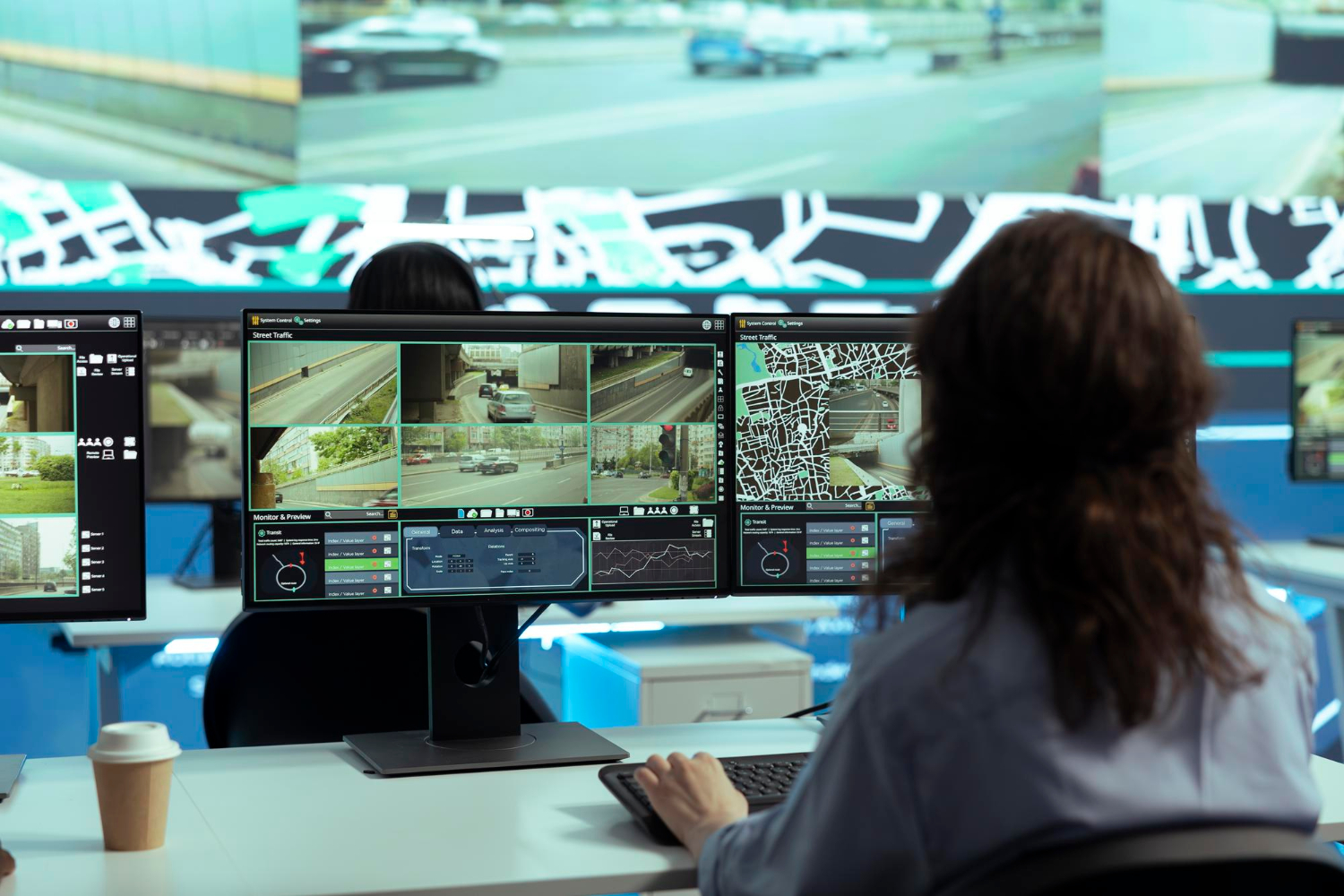
For businesses requiring additional protection, CCTV can be integrated with professional monitoring services that assess alerts and follow agreed response procedures.
It’s important to distinguish between remote viewing and actively monitored CCTV. Remote viewing allows authorised users to access footage, while professional monitoring involves a dedicated service that responds to specified security events.
What Types of Businesses in Reading Need CCTV Installation?
Different commercial environments face different security challenges. As a result, CCTV systems should be designed around the specific requirements of each business.
Retail Shops and Shopping Premises
Retail businesses may benefit from CCTV systems that monitor entrances, sales floors, stockrooms and other vulnerable areas.
Cameras can help discourage opportunistic shoplifting, provide footage of incidents and support investigations into missing stock or property damage.
For retail premises in Reading, appropriate camera positioning is essential to capture useful footage without unnecessarily recording private areas.
Offices and Commercial Buildings
Office buildings often require security coverage around entrances, reception areas, car parks and shared facilities.
Commercial CCTV systems can help monitor visitor activity, support access control procedures and provide recorded evidence following security incidents.
Businesses operating across multiple floors or buildings may also benefit from networked CCTV systems that allow authorised personnel to access footage from a central location.
Warehouses and Industrial Facilities
Warehouses and industrial properties often contain valuable stock, machinery and equipment.
These environments may require CCTV coverage across larger areas, including loading bays, storage facilities, vehicle entrances and external perimeters.
Depending on the site, businesses may benefit from cameras with wide viewing angles, enhanced low-light performance and suitable weather protection.
Professional system design helps determine the most appropriate camera types and positions for these environments.
Hospitality and Leisure Businesses
Hotels, restaurants, leisure centres and other hospitality establishments may use CCTV to monitor entrances, reception areas and appropriate public-facing spaces.
Recorded footage can support incident investigations and help management identify potential security concerns.
However, camera placement must respect privacy expectations, particularly in areas where individuals reasonably expect not to be recorded.
Schools and Educational Facilities
Schools and educational facilities have specific security and safeguarding responsibilities.
CCTV systems can help monitor entrances, external areas, car parks and other appropriate locations.
Any surveillance involving children requires careful consideration of necessity, proportionality, access to footage and data protection requirements.
A professionally designed CCTV system should support existing safeguarding and security procedures rather than replace them.
What CCTV Systems Are Best for Commercial Properties?
Choosing the right CCTV system depends on your business’s security risks, property size, existing infrastructure and monitoring requirements.
Understanding the available options can help businesses make informed decisions before investing in new equipment.
IP CCTV Camera Systems
Internet Protocol (IP) CCTV cameras transmit video footage over a computer network.
These systems are commonly used in modern commercial installations because they can offer high-resolution recording, flexible system expansion and integration with other security technologies.
IP CCTV systems may be particularly suitable for offices, warehouses and larger commercial premises that require multiple cameras.
Depending on the equipment selected, businesses can also benefit from centralised recording, remote access and advanced video management features.
Wired and Wireless CCTV Systems
Wired CCTV systems use physical connections to transmit footage and, depending on the technology, supply power to cameras.
They are often suitable for permanent commercial installations where reliable connectivity and continuous recording are important.
Wireless CCTV systems transmit footage through wireless networks, potentially reducing some cabling requirements.
However, wireless cameras may still require power cables, and performance can depend on network conditions, signal strength and interference.
For many commercial properties, wired or network-based systems are preferred where stable connectivity and extensive camera coverage are required.
The most appropriate option depends on the property’s layout and infrastructure.
Remote CCTV Monitoring Systems
Remote CCTV capabilities allow authorised users to access live or recorded footage without being physically present at the premises.
This can be particularly useful for business owners managing multiple sites or commercial properties that remain unattended outside normal operating hours.
Some CCTV systems also support motion detection, event notifications and integration with professional monitoring services.
Where active monitoring is required, businesses should understand what events trigger an alert, who receives it and what response procedures are included in the service.
CCTV Systems Integrated with Access Control and Alarms
CCTV can be more effective when used alongside other security technologies.
For example, integrating CCTV with access control systems can help businesses review activity around restricted entrances.
Similarly, integration with intruder alarms may allow cameras to record or highlight events when an alarm is triggered.
A coordinated security system can improve visibility across business premises and help authorised personnel respond more effectively to security concerns.
For businesses considering a comprehensive security upgrade, professional installers can assess how different systems may work together.