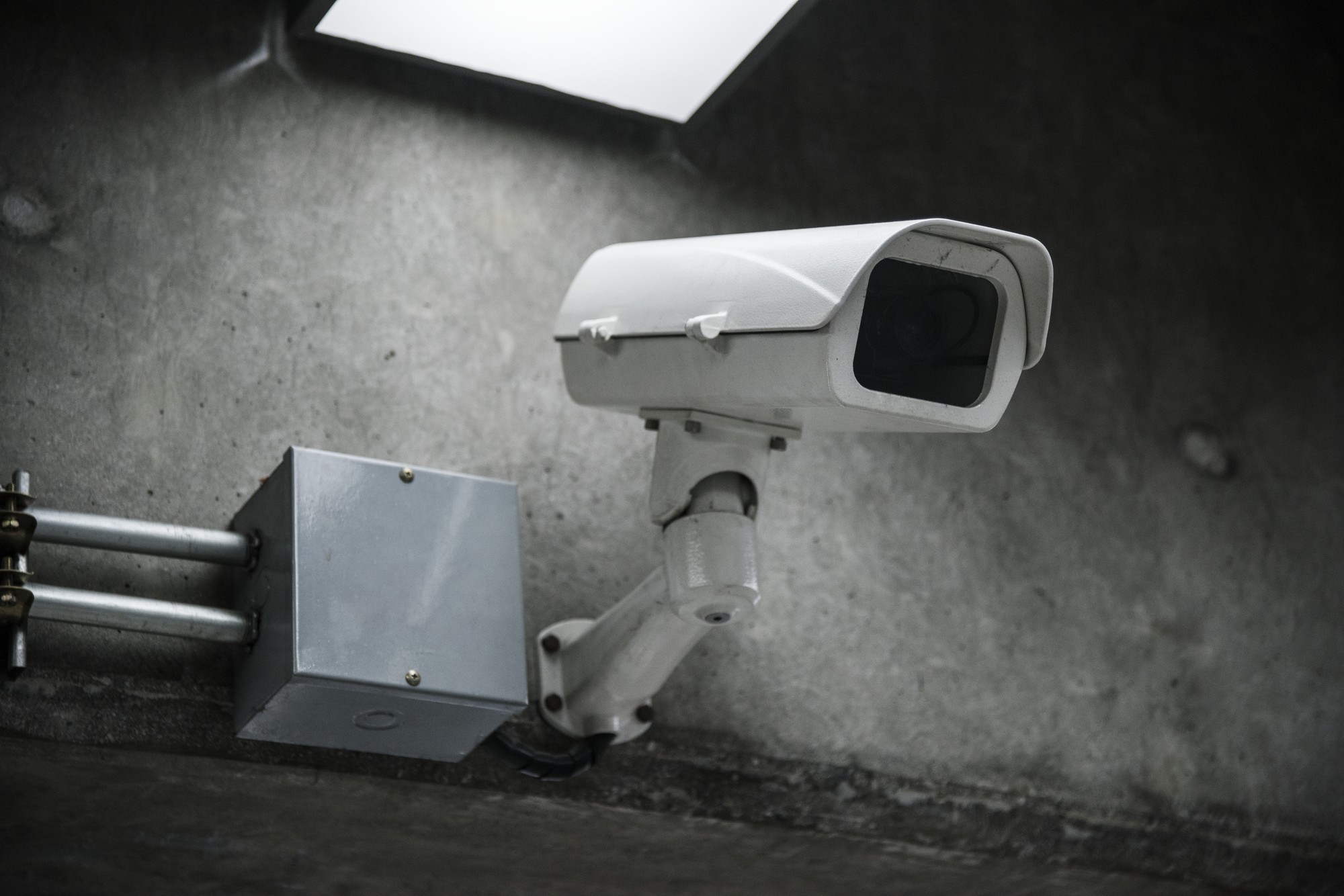

Header CCTV image from Freepik – www.freepik.com
Choosing the right CCTV installer matters just as much as choosing the cameras themselves. A low-cost system that is poorly designed can leave blind spots, create unreliable footage, or fail to give you the evidence you need when an incident occurs.
Whether you are protecting a home, business, managed property or commercial site, the best approach is to look beyond a headline price. A professional installer should understand your risks, survey the property, recommend suitable equipment, install it securely and provide clear support after handover.
This guide explains how to choose a CCTV installer using ten practical questions, along with the accreditation, cost and aftercare checks that should shape your decision.
What should you look for in a CCTV installer?
A reliable installer should be able to demonstrate experience, explain their recommendations clearly and give you a detailed written proposal. As a starting point, look for:
- Relevant third-party certification or approval
- A proper site survey before finalising the design
- Equipment recommendations tailored to the property
- Clear camera, recording and storage specifications
- Secure installation and remote-access configuration
- Transparent pricing, warranties and ongoing costs
- Maintenance and aftercare options
- A verifiable reputation through reviews, references or case studies
Accreditation is an important part of the picture, particularly when comparing NSI approved CCTV and SSAIB CCTV providers. However, it should sit alongside practical factors such as design quality, communication, workmanship and support.
10 questions to ask before choosing a CCTV installer
1. Are you NSI approved or SSAIB certified?
This is one of the most useful first questions to ask. NSI and SSAIB are independent certification bodies used within the UK security industry. Their approval or certification can provide reassurance that a company’s systems and processes have been independently assessed against relevant standards and codes of practice.
For CCTV, always ask the installer to confirm:
- Which organisation has approved or certified them
- Whether their approval or certification covers CCTV/video surveillance work
- The current scope of that approval
- How you can verify it independently
Do not rely solely on a logo on a website, vehicle or quotation. A reputable company should be happy to explain its status and provide enough information for you to check it.
2. Will you carry out a site survey before providing a final quote?
A professional CCTV installer should inspect the property before finalising the system design. Every site has different access points, lighting conditions, cable routes, network limitations and operational risks.
A survey helps identify:
- Entrances, exits and vulnerable areas
- Potential blind spots
- Suitable camera positions and mounting points
- Required viewing distances
- Daytime and night-time lighting conditions
- Cable routes and power requirements
- Network infrastructure for IP CCTV
- The best location for the recorder or network video recorder
Be cautious of a company that offers a fixed package without asking meaningful questions about your property. An off-the-shelf system may be cheap initially but prove inadequate when it matters.
3. How will you design the CCTV system around my security needs?
The number of cameras is not the best measure of a good system. The important question is what each camera needs to achieve.
For example, you may need CCTV to:
- Deter intruders
- Monitor entrances and deliveries
- Identify faces at a doorway
- Capture vehicle movements or number plates
- Protect stock, tools or high-value equipment
- Monitor restricted areas
- Support incident investigation
There is a major difference between footage that shows an event took place and footage that provides enough detail to identify a person, vehicle or action. Your installer should explain the purpose of each camera and why the proposed position, lens and resolution are appropriate.
4. What cameras and recording equipment do you recommend?
Avoid vague descriptions such as “HD CCTV” without further detail. Ask for the equipment specification and a clear explanation of why it has been selected.
Useful points to discuss include:
- Camera resolution
- Lens type and field of view
- Low-light and night-vision performance
- Infrared capability
- Wide dynamic range for difficult lighting
- Motion detection and analytics
- Audio capability, where appropriate
- Recorder type and capacity
- Remote viewing options
- Whether the system can be expanded later
The right equipment depends on the job. A wide-angle camera may suit general overview coverage, while an entrance or vehicle gate may require a more focused camera to achieve usable detail.
5. How long will the system store footage?
Storage is often overlooked until it becomes a problem. The amount of footage retained depends on the number of cameras, their resolution, frame rate, recording schedule, compression settings and whether recording is continuous or motion activated.
Ask the installer:
- How many days of footage the proposed system is expected to retain
- What assumptions that estimate is based on
- Whether storage can be expanded
- What happens when the system reaches capacity
- How footage can be searched and exported if required
The aim is not simply to buy the largest hard drive available. Storage should be designed around your operational requirements, incident-response needs and any relevant retention policies.
6. Will the installation meet relevant standards and requirements?
Professional CCTV installation involves more than fitting cameras to a wall and connecting a recorder. It should include proper planning, installation, testing, commissioning, configuration, handover and documentation.
Ask how the installer will handle:
- Camera positioning and image quality
- Secure cabling and equipment placement
- System testing and commissioning
- User training
- Documentation and handover
- Ongoing maintenance requirements
An NSI-approved company working within the relevant CCTV scheme is expected to follow defined requirements covering areas such as design, installation, commissioning and maintenance. That said, any installer should be able to explain their working standards and how they will demonstrate that the system performs as agreed.
7. How will you protect the system from cyber threats?
Modern IP CCTV systems are connected devices. If cameras, recorders or remote viewing are accessible through a network, cybersecurity should be part of the conversation.
Ask the installer about:
- Replacing default passwords
- Strong administrator credentials
- User permissions for staff or family members
- Secure remote access
- Firmware and software updates
- Network configuration
- Whether unnecessary remote access will be disabled
- How access can be removed when employees, tenants or contractors leave
A CCTV system should not create a weak point in your wider security. Good installers treat connected cameras and recorders as part of the property’s IT and security environment.
8. Who owns the equipment, footage and login credentials?
This is an essential question, particularly for businesses and managed properties. You should understand exactly who controls the system once it has been installed.
Confirm:
- Who owns the cameras and recorder
- Who has administrator access
- Who can view, download or delete recordings
- Where footage is stored
- Whether cloud storage or remote-viewing services have recurring charges
- What happens if you change maintenance provider
- Whether you will receive all relevant credentials and documentation at handover
You should not be left dependent on one installer simply because you do not have the administrative details needed to manage your own system.
9. What warranty, maintenance and aftercare do you provide?
CCTV should not be treated as a fit-and-forget purchase. Cameras can become obscured, recording settings can change, hard drives can fail and network issues can interrupt remote access.
Ask about:
- Equipment warranty
- Installation or workmanship warranty
- Maintenance plans
- Fault-response times
- Remote support and call-out charges
- Replacement equipment
- Software and firmware updates
- Periodic health checks
- Training for new users
Maintenance is especially valuable for commercial or higher-risk sites, where a fault may only become apparent after footage is needed.
10. Can you provide a detailed written quote and relevant references?
A detailed quotation makes it much easier to compare installers fairly. It should clearly set out what is included, what is optional and what may involve future costs.
A strong quotation should cover:
- Number, type and specification of cameras
- Recorder and storage capacity
- Cabling, power and network work
- Installation and configuration
- Remote viewing setup
- VAT
- Warranty details
- Maintenance options
- Optional extras
- Any subscription, monitoring or ongoing charges