
Martyn’s Law is a major piece of UK counter-terrorism legislation designed to improve public safety at venues and events by requiring those responsible to assess and mitigate the risk of terrorist attacks. It’s formally titled the Terrorism (Protection of Premises) Act 2025 and is widely referred to as Martyn’s Law.
What It Is
Martyn’s Law places legal duties on the owners/operators of certain publicly accessible premises and events to take proactive steps to protect people from terrorism. The aim is to improve preparedness and protective security across the UK rather than wait for emergency services to respond after an incident.
The law is named in honour of Martyn Hett, one of the 22 people killed in the 2017 Manchester Arena bombing, and reflects years of campaigning by his mother, Figen Murray, and others for stronger public-place protections.
Key Requirements of Martyn’s Law
Martyn’s Law adopts a tiered approach based on the expected number of people present at a venue or event:
Standard Tier
For premises and events where 200–799 people may be present at the same time:
-
Responsible persons must have appropriate public protection procedures in place that are reasonably practicable to reduce vulnerability to terrorist acts.
-
This can include planning, staff awareness and training, and basic protective measures.
Enhanced Tier
For locations and events expecting 800 or more people at once:
-
In addition to standard requirements, organisations must carry out a formal risk assessment.
-
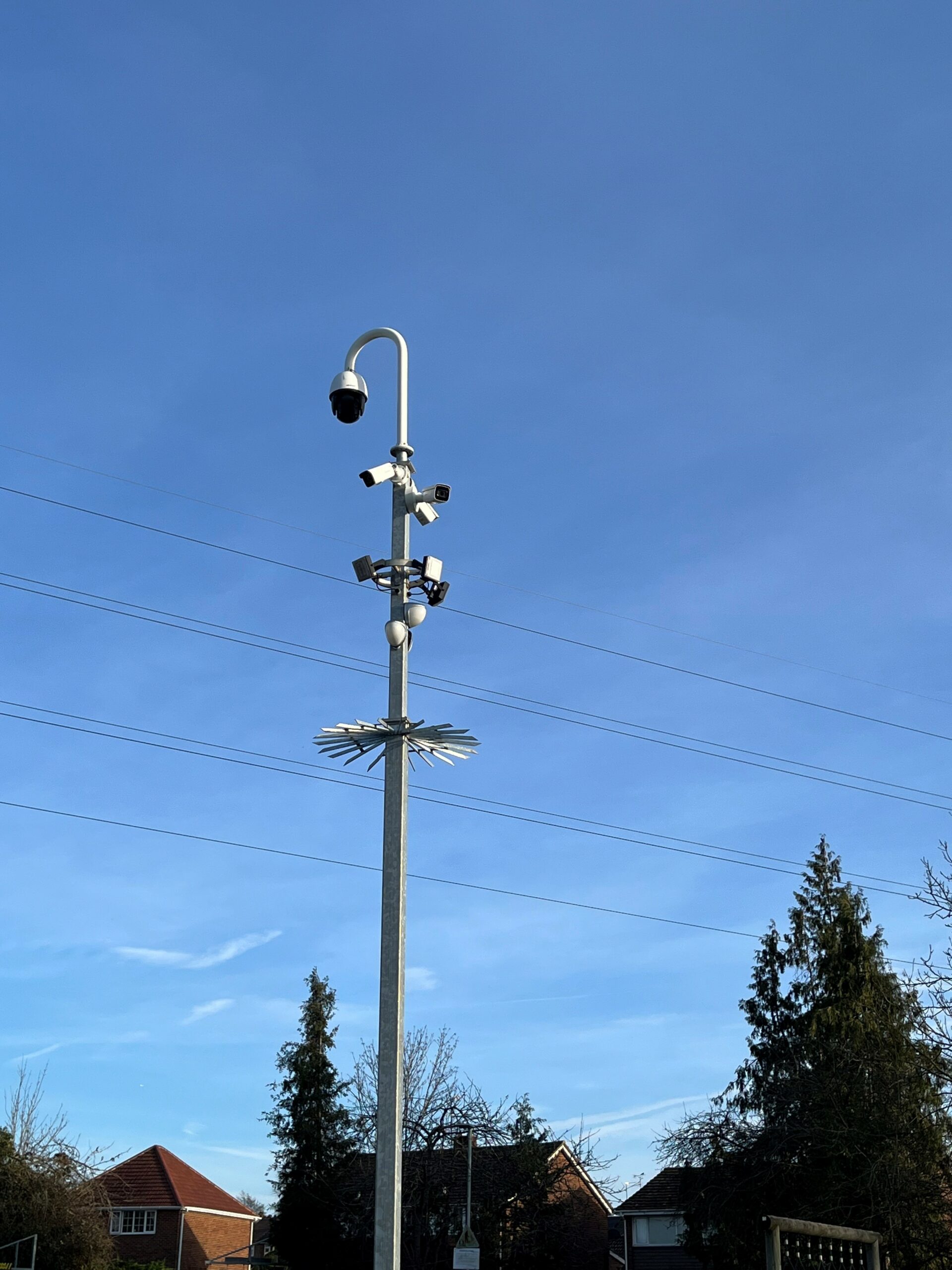
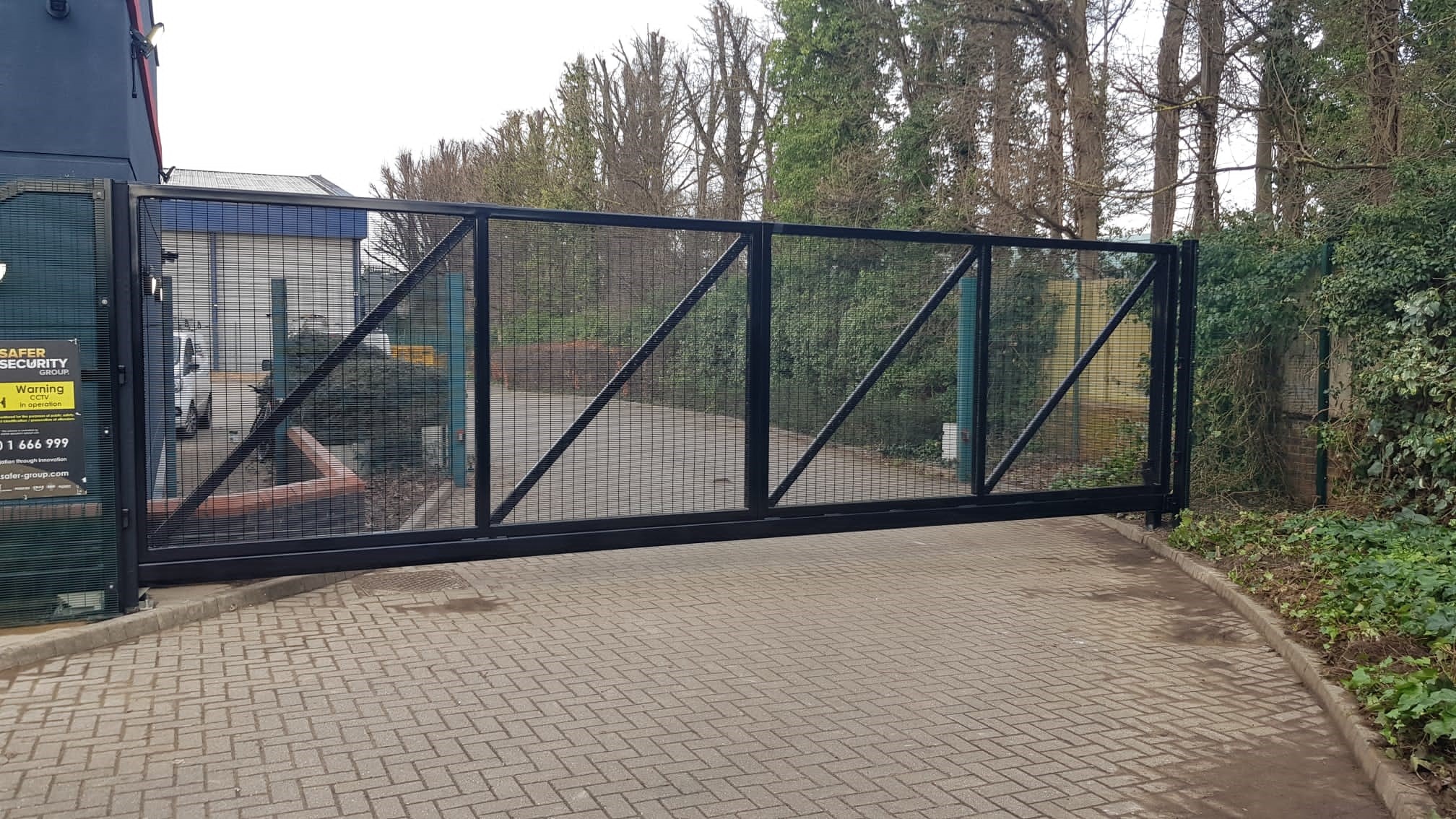
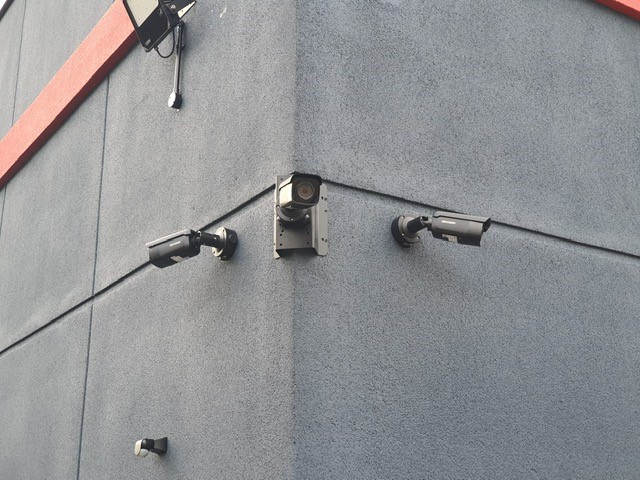
They must develop and document a security plan and put in place proportionate protective measures (e.g., CCTV, staff training, procedures such as bag checks or perimeter control depending on risk and guidance).
Implementation Timeline
-
The Act received Royal Assent on 3 April 2025, becoming law. .
-
A 24-month implementation period is in place to allow venues to prepare; full enforcement is expected by around 2027.
Who It Applies To
Martyn’s Law applies to publicly accessible locations – essentially places where people can enter, whether free or paid. This includes, but is not limited to:
-
Concert halls, theatres, sports stadiums and arenas
-
Nightclubs, bars, hotels
-
Retail centres, museums, galleries
-
Transport hubs
-
Places of worship and community venues
-
Events open to the public that meet the capacity thresholds
Note: Some categories like schools and places of worship may always be treated under the standard tier regardless of actual capacity, depending on statutory guidance.
Purpose and Impact
The law is intended to ensure that organisations take ownership of protective security planning, elevating readiness for potential terrorist threats. It is not about imposing specific security products but about reasonable, proportionate measures that fit the risk and context of the venue.
The Security Industry Authority (SIA) has been designated as the regulator, responsible for overseeing compliance and providing guidance (with full regulatory operations expected by around spring 2027).
If you could like to discuss how Martyn’s Law will impact you don’t hesitate to contact us on 0118 9783381 or email info@scssecure.co.uk