
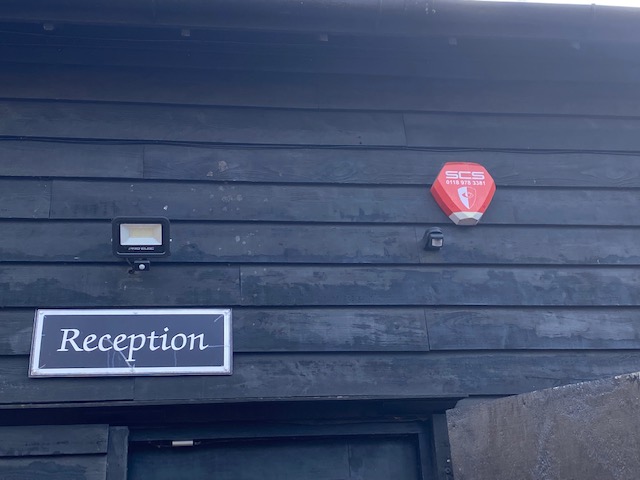

SCS bell box outside a building

Silent Alarms: When Noise Isn’t the Best Option

Max Smith Picture

Max Smith

29th June 2026

Silent alarms are designed to alert the right people without drawing attention on site. Instead of triggering a loud siren, they send a discreet signal to a monitoring team, security personnel, or designated responders. In the right environment, this can be a safer and more effective way to handle security incidents.

When people think of alarm systems, they often picture a loud bell or siren sounding across the building. In many situations, that is exactly what is needed. Audible alarms can deter intruders, warn staff, and make it immediately clear that something is wrong. However, there are also situations where noise can escalate risk rather than reduce it.

That is where silent alarm systems come in. For businesses, schools, commercial properties, and higher risk environments, a silent response can help protect people, preserve control, and ensure the situation is handled in a more measured way. Understanding the difference between silent and audible alarms is essential when planning the right security approach for your site.

What Silent Alarms Are

A silent alarm is an alarm that sends an alert without sounding a siren or making an obvious noise on site. Rather than warning everyone nearby, it quietly notifies a monitoring centre, security team, police response contact, or other authorised responder that there is a potential issue.

The goal is discretion. In some incidents, openly signalling that an alarm has been triggered can make matters worse. A visible or audible response may cause panic, provoke an intruder, or lead an offender to leave before responders can properly assess the situation. Silent alarms help avoid that immediate escalation.

They are commonly used in settings where security incidents may involve people on site, sensitive assets, or situations where controlled response is more appropriate than public warning. This makes them especially relevant in environments where safety, calm decision making, and rapid professional response all matter.

Modern silent alarm systems can be used as standalone solutions or built into wider security systems that include CCTV, access control, and monitored alarms.

How They Work

Silent alarms work by sending a signal to a remote recipient instead of activating a loud sounder. The trigger may come from several different sources depending on the type of system installed.

In some cases, a silent alarm is activated manually through a panic button, under desk alarm, wall mounted trigger, or handheld device. This is common in reception areas, schools, healthcare environments, retail counters, cash handling points, and other places where staff may need a discreet way to call for help.

In other cases, the system may be linked to door contacts, access control points, motion sensors, or other detection devices. If certain conditions are met, the alert is transmitted automatically to the relevant responder or monitoring service.

With professionally installed monitored alarms, the signal can be routed to a monitoring centre that reviews the alert and follows an agreed response procedure. This might include contacting keyholders, informing on site security, reviewing linked CCTV, or escalating to emergency services if appropriate.

The key benefit is that the alert happens without making the incident obvious to everyone in the building or to the person causing concern. This gives responders more control over how the situation is managed.

When Silent Alarms Are Used

Silent alarms are not necessary for every property, but they are highly valuable in the right situations. They are most often used where a discreet response is safer or more effective than an immediate audible warning.

Retail and cash handling environments often use silent alarms behind counters or in secure rooms. If a member of staff feels threatened, they may be able to trigger an alert without escalating the confrontation.

Schools and educational settings may also benefit from silent alarms in certain scenarios. If staff need to report a threat, safeguarding issue, or serious incident without causing panic among pupils, a discreet signal can be far more appropriate than a site wide siren.

Healthcare settings sometimes rely on silent alarm systems where vulnerable patients, staff safety concerns, or behavioural risks need to be managed carefully. In these environments, loud audible alerts could increase distress or confusion.

Commercial premises, offices, and reception areas may also use silent alarms where lone working, front desk security, or visitor management raises potential risk. In these cases, the aim is to alert support quickly while keeping the environment as calm as possible.

Higher risk or sensitive sites may use silent alarms as part of a wider layered security approach, especially where alerts need to be assessed before action is taken. Combined with CCTV and monitored alarms, this can create a much more controlled security response.
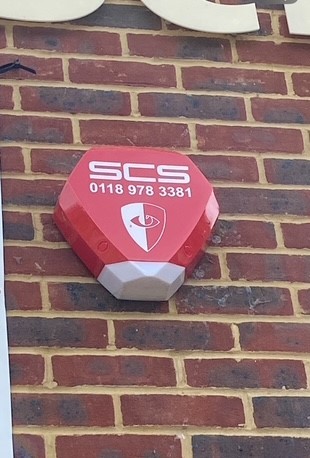
    SCS bell box on wall

    Silent vs Audible Alarms

    The difference between silent and audible alarms is not simply about sound. It is about response strategy.

    Audible alarms are designed to be obvious. They alert people on site, draw attention to an incident, and can discourage opportunistic intruders who want to leave quickly once detected. This makes them highly effective in many scenarios, especially for unauthorised entry outside normal hours.

    Silent alarms, by contrast, are designed to avoid drawing attention. They are better suited to incidents where discretion matters, where panic needs to be avoided, or where an overt response could increase danger.

    Benefits of audible alarms

    They provide an immediate warning to occupants

    They can deter intruders by making it clear they have been detected

    They are highly visible and easy to understand during an incident

    They can prompt quick evacuation or site awareness where needed

    Benefits of silent alarms

    They allow incidents to be handled discreetly

    They may reduce the risk of escalation in sensitive situations

    They support controlled response from trained personnel or monitoring teams

    They are useful where public alarm could cause unnecessary panic

    Neither option is automatically better in every case. The right choice depends on the type of property, the likely risks, and the response plan behind the system. In many situations, the most effective setup is not choosing one over the other, but using both in the right way.

    Combining Both

    Many modern alarm systems can use both silent and audible responses as part of a more flexible security strategy. This allows organisations to match the alarm type to the specific incident rather than relying on a single approach for every scenario.

    For example, a business may use an audible intruder alarm after hours to deter break ins and alert nearby people, while also having silent panic buttons available during working hours for staff facing confrontation or threat.

    A school may use audible alarms for evacuation or emergency warnings, while keeping silent alert functions available for safeguarding or security incidents that need to be escalated discreetly.

    In a monitored environment, combining both options can give much more control. Some alerts may trigger silent signals to responders first, while others may activate sirens, locks, or visual alerts depending on the nature of the event. This kind of layered setup allows the system to respond in a way that is proportionate to the actual risk.

    When planned properly, combining silent and audible capabilities can improve safety, reduce unnecessary disruption, and help organisations respond more effectively across a wider range of situations.

    That is why businesses often choose professionally designed monitored alarms rather than relying on a basic one size fits all alarm setup.

    Why Professional Alarm Design Matters

    Alarm systems are most effective when they are designed around the site, the users, and the real world risks involved. Silent alarms in particular need careful planning because their value depends on how quickly and appropriately the alert is received and acted upon.

    A professionally designed system will consider who needs to trigger alerts, what types of incidents are most likely, who receives the signal, and how the wider security setup supports the response. This may include integration with CCTV, access control, remote monitoring, or emergency procedures.

    Poorly planned alarm systems can create confusion, false confidence, or delays in response. A better designed system helps ensure that silent and audible alerts are used where they make the greatest difference.

    FAQs

    What is a silent alarm?

    A silent alarm is an alarm that sends an alert to responders or a monitoring team without sounding a siren on site.

    Are silent alarms safer?

    In some scenarios, yes. They can be safer where a loud alarm might escalate the situation, cause panic, or create additional risk.

    Can systems use both types?

    Yes, many alarm systems can be configured to use both silent and audible responses depending on the type of incident and the security plan in place.

    Speak to SCS Secure About the Right Alarm Setup

    Not every security incident should be handled the same way. In some environments, a loud alarm is the right choice. In others, a discreet response can provide better protection for people and property. Silent alarm systems can be a valuable part of a wider security strategy when they are planned and installed properly.

    Contact up on 0118 798 3381 to learn more about monitored alarms and discuss an alarm solution tailored to your site, your risks, and your operational needs.

    Max Smith Picture

    Max Smith

    29th June 2026

    From studying for a Politics degree, Max took the less than obvious path into the environs of Security as a Locksmith back in 1985! Thirty plus years later, it’s a journey that has seen the achievement of NSI Gold accreditation for Intruder Alarms, Access Control & CCTV, plus the introduction of a sister company specialising in Gate Automation Solutions. With a wealth of both Engineering and management experience, Max has an active interest in the evolution of the Security Industry and its future direction.

    Website Built By Web Design SEO