
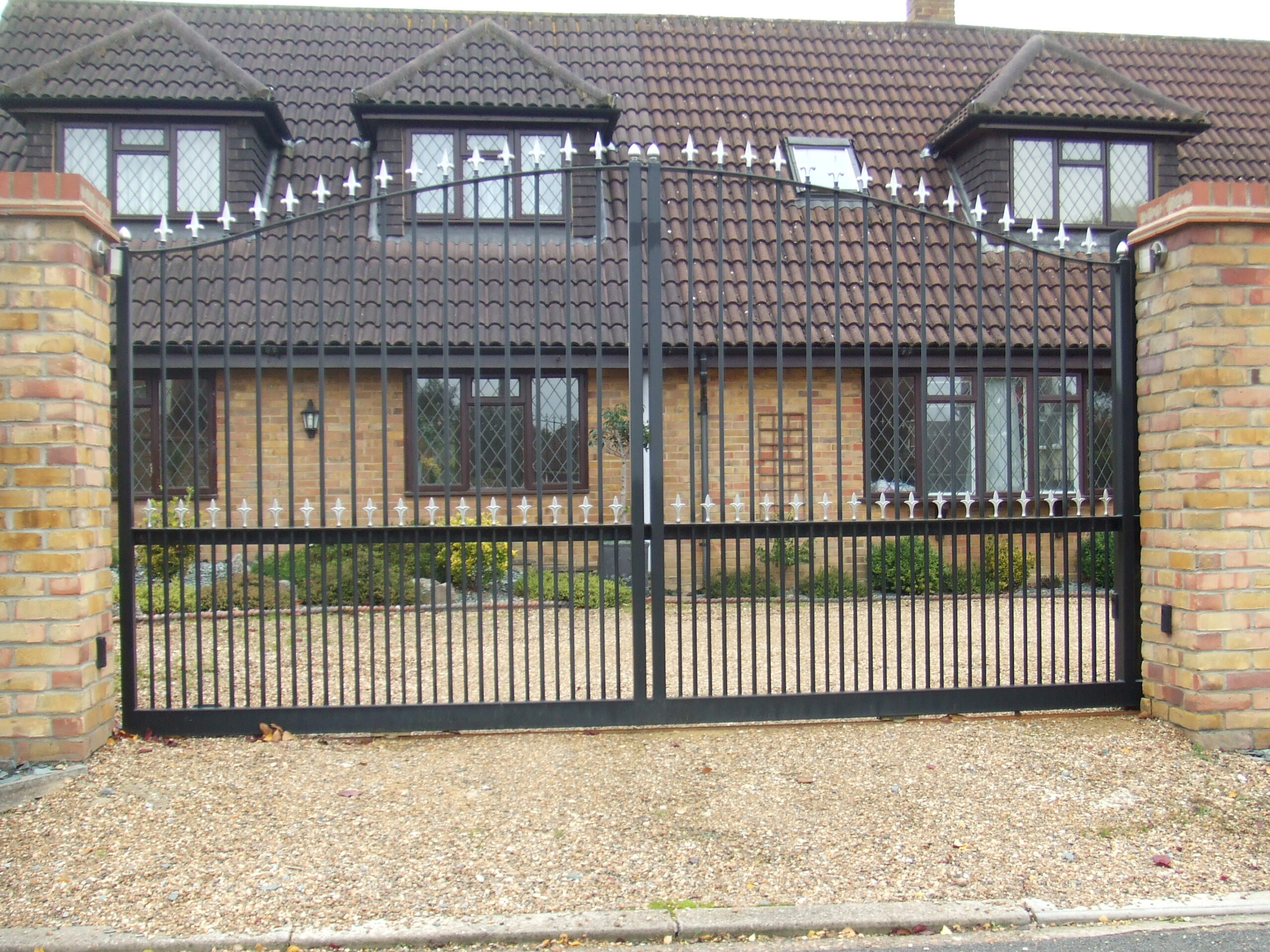

Steel gate residential powder coating

Steel vs Aluminium in Security Fabrication

Max Smith Picture

Max Smith

23rd April 2026

Steel and aluminium are both widely used in security fabrication, but they serve different purposes depending on the site, the level of protection required, and the environment they will be used in. Steel is known for its strength and durability, while aluminium is valued for its lighter weight and strong resistance to corrosion. Choosing the right material depends on the balance between security performance, maintenance needs, appearance, and long term value.

When planning a fabricated security solution, the material matters just as much as the design. Gates, barriers, cages, guards, and other protective structures need to do more than look the part. They must perform reliably, withstand daily use, and suit the conditions of the site. A material that works perfectly for one application may be less suitable for another.

Understanding the differences between steel and aluminium helps property owners, facilities managers, and businesses make more informed decisions when investing in fabricated security products.

Steel Fabrication Benefits

Steel has long been one of the most trusted materials in security fabrication because of its impressive strength and structural reliability. It is commonly used for high security gates, barriers, cages, bollards, guards, railings, and protective enclosures where robust performance is essential.

One of the biggest benefits of steel is its load bearing capacity. It can withstand heavy use, high impact, and greater force than many lighter materials, which makes it particularly suitable for security features designed to deter forced entry or protect valuable assets. In environments where physical strength is a key priority, steel is often the preferred option.

Steel also offers excellent versatility. It can be cut, shaped, welded, reinforced, and finished in a wide range of ways to suit different security applications. Whether the requirement is for a reinforced gate, a secure machinery guard, or a protective storage cage, steel can be fabricated to match the demands of the site.

Another advantage is its suitability for large or heavy duty structures. Commercial and industrial premises often rely on steel for security products because it provides confidence in long term performance under repeated use.

With professionally delivered metal fabrication services, steel can be adapted into security solutions that are both highly durable and tailored to the property’s exact needs.

Aluminium Fabrication Benefits

Aluminium offers a different set of advantages that make it highly appealing for many security applications. While it is lighter than steel, it is still strong enough for a wide range of gates, screens, guards, and fabricated security components.

One of aluminium’s most notable benefits is its resistance to corrosion. Unlike some untreated metals, aluminium naturally performs well in outdoor environments and is often a strong choice for sites exposed to moisture, changing weather conditions, or coastal air. This can make it especially practical for external gates, perimeter features, and installations where reduced maintenance is a priority.

Its lighter weight is another major advantage. Aluminium is easier to handle, transport, and install, and this can be particularly useful for automated gates or fabricated products where reduced overall weight improves operation. A lighter gate, for example, may put less strain on motors, hinges, and moving parts over time.

Aluminium is also often chosen for its cleaner, more modern appearance. It can deliver a sleek finish that suits both contemporary residential and commercial settings. Where appearance matters alongside function, aluminium can offer a very balanced solution.

For many fabricated security products, aluminium provides the right blend of practicality, durability, and lower maintenance without sacrificing performance.
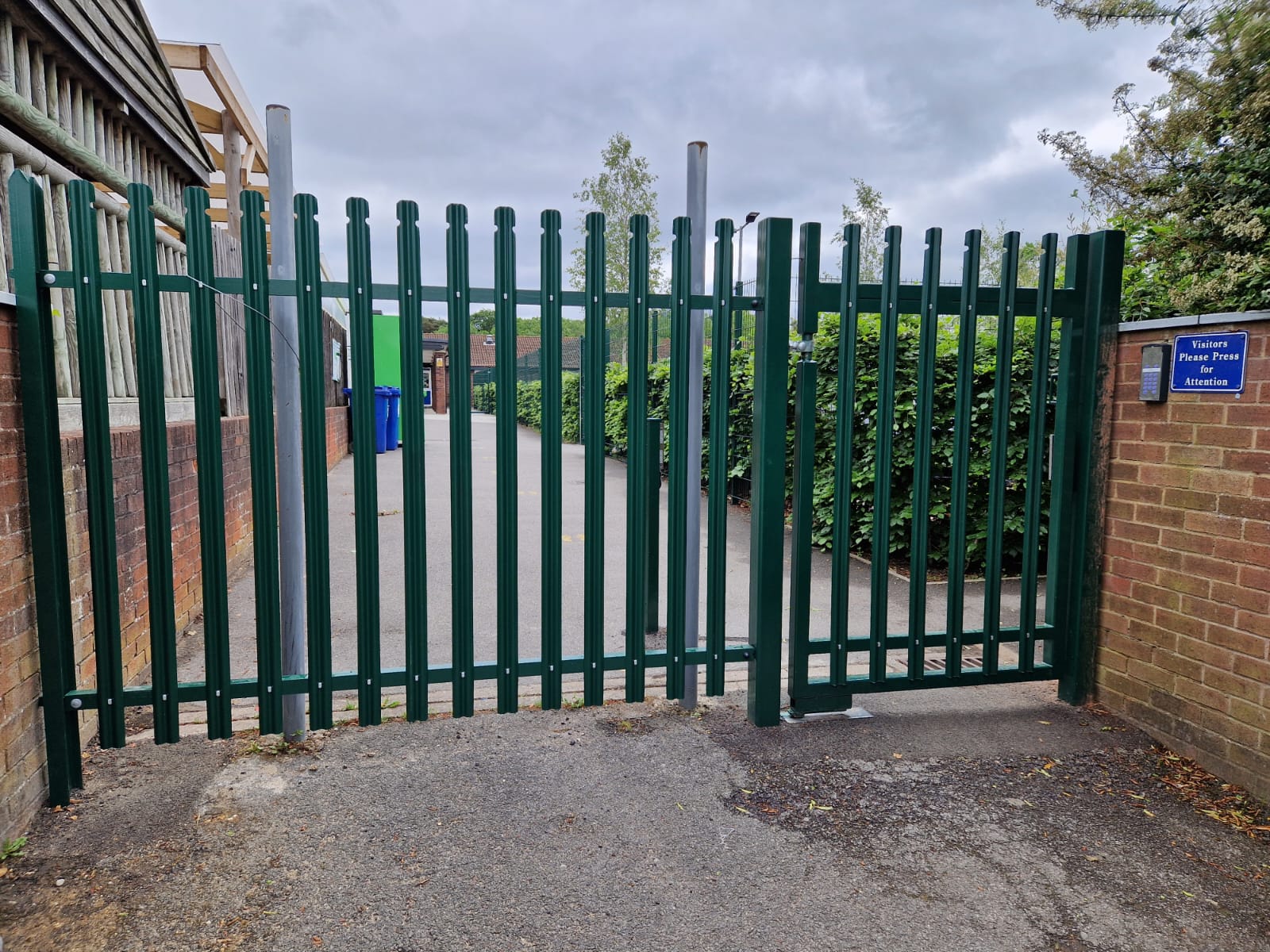
    School metal railings
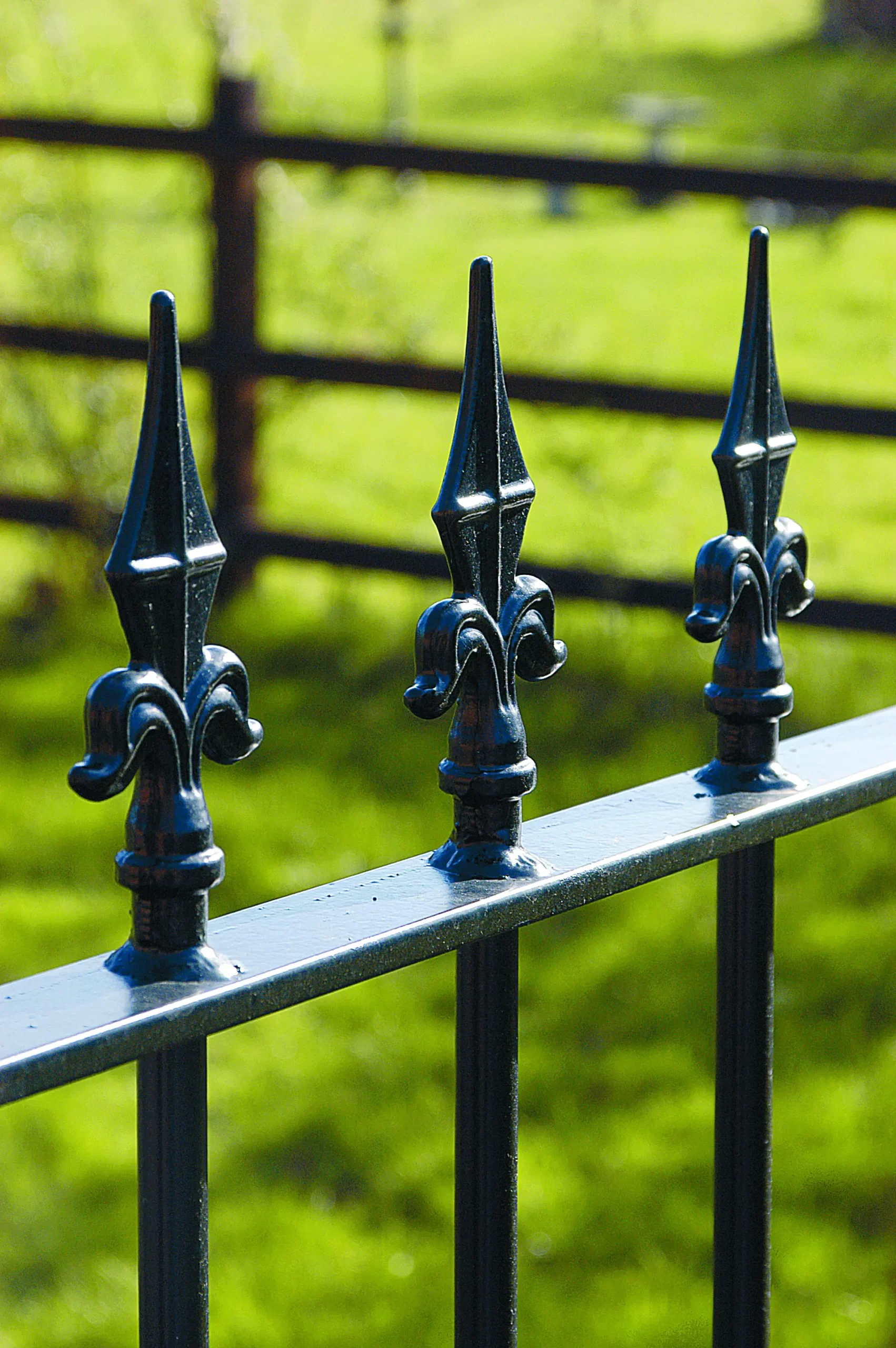
    metal fabrication - 1

    Strength Comparison

    When comparing steel vs aluminium fabrication, strength is usually one of the first considerations. In direct terms, steel is generally the stronger material. It offers greater structural integrity, higher resistance to impact, and better performance in high security or heavy duty applications.

    This is why steel is often selected for products that need to resist force, secure valuable equipment, or handle demanding environments. If the main goal is maximum strength and physical robustness, steel will often have the advantage.

    However, that does not mean aluminium is weak. Aluminium is strong enough for many applications, especially where the security requirement is moderate rather than extreme. It can perform very well for gates, screens, guards, and fabricated structures that do not require the same level of force resistance as reinforced steel products.

    The better question is not simply which material is stronger, but which material is strong enough for the intended use. A high security industrial barrier may require steel. A pedestrian gate, access screen, or lower risk perimeter feature may perform very well in aluminium.

    Material selection should always be based on actual site requirements rather than general assumptions. Stronger is not always better if the added weight, maintenance, or cost does not bring real value to the application.

    Maintenance Needs

    Maintenance is another important factor when choosing between steel and aluminium. Both materials can last a long time when fabricated properly and looked after correctly, but they do have different maintenance profiles.

    Steel usually requires more attention over time, especially in outdoor settings. Without suitable treatment or protective finishes, it can be more vulnerable to corrosion. This means coatings, galvanising, painting, or other protective measures are often essential to help it perform well in exposed environments.

    If maintained properly, steel can deliver excellent longevity. However, it is important to understand that neglected steel may deteriorate faster, particularly where it is exposed to moisture, harsh weather, or regular wear.

    Aluminium is often lower maintenance in comparison. Its natural corrosion resistance makes it a practical choice for many outdoor applications, and it may require less ongoing upkeep to preserve both performance and appearance. This can make it attractive for clients who want reliable long term results with fewer maintenance demands.

    That said, no fabricated security product is entirely maintenance free. Hinges, fixings, welds, finishes, and moving parts should still be checked regularly to ensure the overall product remains safe and effective.

    Choosing Materials

    Choosing between steel and aluminium comes down to the needs of the site, the level of security required, and the long term expectations for the product.

    Steel is often the better choice where maximum strength, impact resistance, and heavier duty security performance are the main priorities. It is particularly well suited to industrial sites, high security enclosures, reinforced gates, heavy barriers, and applications where structural strength is critical.

    Aluminium is often the better choice where lighter weight, corrosion resistance, and lower maintenance are more important. It can be ideal for automated gates, external features, modern commercial settings, and applications where a clean appearance and easier operation are valued.

    Budget should also be considered in terms of lifetime value, not just upfront cost. While steel may be more appropriate for demanding applications, aluminium can often be more cost effective over the long term due to its reduced maintenance needs and resistance to rust related issues.

    The best material is the one that suits the real demands of the project. That is why working with experienced professionals matters. With the right metal fabrication services, businesses and property owners can choose a solution that balances strength, durability, appearance, and practicality.

    Which Material Lasts Longer?

    Both steel and aluminium can last for many years when designed properly, installed correctly, and maintained as needed. Longevity depends less on the material name alone and more on how the fabricated product is built, finished, and used.

    Steel can offer exceptional service life when protected and maintained well. Aluminium can also provide excellent durability, particularly where corrosion resistance is important. In many cases, both materials can be long lasting choices when matched to the right application.

    FAQs

    Which material lasts longer?

    Both steel and aluminium can last a long time when properly fabricated, finished, and maintained for the environment they are used in.

    Is aluminium strong enough?

    Yes, aluminium is strong enough for many security applications, especially where lighter weight and corrosion resistance are beneficial.

    Which is more cost effective?

    Aluminium often proves more cost effective over the long term because of its lighter weight and lower maintenance needs, although steel may offer better value for high security and heavy duty applications.

    Speak to Security Control Systems About the Right Fabrication Material

    Choosing the right material is a key part of any successful security fabrication project. Whether you need the strength of steel, the lighter weight of aluminium, or guidance on which option best suits your property, the right advice can make a major difference to performance and long term value.

    Visit SCS Secure to learn more about metal fabrication services and discuss a fabricated security solution designed around your site, your risks, and your operational needs.

    Max Smith Picture

    Max Smith

    23rd April 2026

    From studying for a Politics degree, Max took the less than obvious path into the environs of Security as a Locksmith back in 1985! Thirty plus years later, it’s a journey that has seen the achievement of NSI Gold accreditation for Intruder Alarms, Access Control & CCTV, plus the introduction of a sister company specialising in Gate Automation Solutions. With a wealth of both Engineering and management experience, Max has an active interest in the evolution of the Security Industry and its future direction.

    Website Built By Web Design SEO