
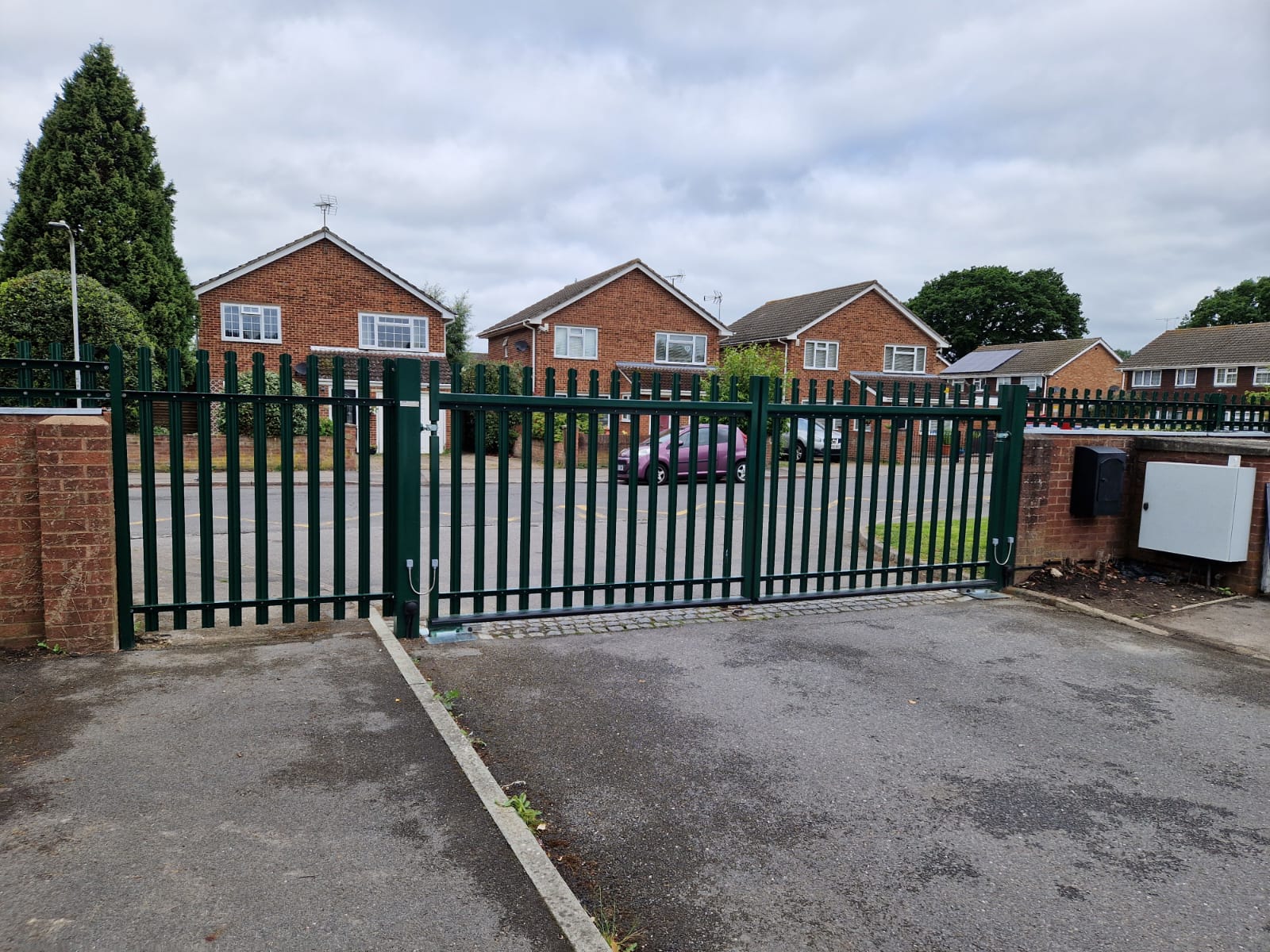

School metal gate

Top Mistakes to Avoid When Installing Automated Gates

Max Smith Picture

Max Smith

25th March 2026

Common mistakes include improper site preparation, choosing the wrong gate type, neglecting safety components, and skipping professional installation — all of which can undermine safety, reliability and long-term performance. Avoiding these automated gate installation mistakes ensures your system operates smoothly, complies with UK safety standards and delivers lasting protection.

Automated gates are a powerful addition to residential, commercial and industrial properties. They enhance security, control vehicle access and improve convenience. However, poorly planned installations often result in costly repairs, compliance issues and serious safety risks.

Understanding the most common automated gate installation mistakes helps property owners make informed decisions from the outset.

Incorrect Gate Selection

One of the most frequent issues when installing Automated Gates is selecting a system that does not match the site conditions or operational requirements. It is essential to carry out a site survey to determine the best solution and for the selected gate installation company to assess what needs to be considered when carrying out a successful installation.

Choosing Style Over Function

Many installations prioritise aesthetics rather than functionality. While appearance matters, there are many other factors to consider such as traffic frequency, wind exposure, available space, ground gradient and the security level required that should be taken into consideration as to the right gate to choose.

It is always best practice to look at the surrounding area first before a type of gate is selected. Some common examples of how the site location and environment could determine the gate chosen are detailed below:

  • Swing gates require sufficient clearance to open safely.
  • Sliding gates are better suited to limited driveway space.
  • Cantilever systems may be necessary for uneven ground.

If the wrong type of gate is selected it can result in some issues with the system including motor strain, premature wear, operational failure and safety hazards. It is essential that a proper risk assessment is carried out to ensure the system matches the environment.

Ignoring Safety Compliance

Automated gates in the UK must comply with strict safety regulations. Ignoring these requirements is not only dangerous, it can also expose property owners to legal liability. Ensuring that the gate installation company is a member of the DHF is the best way of having the peace of mind that the gate will be designed and fitted to comply with the latest regulations. 

Essential Safety Components

To help with what the essential safety components are with any system we have compiled the following list. All modern gates should include the following:

  • Safety edges
  • Photocells (beam sensors)
  • Force limitation mechanisms
  • Emergency manual release
  • Warning signage

Without these safeguards, automated gates can pose serious injury risks and would be considered as non-compliant. For detailed gate safety advice, property owners should consult professional guidance and ensure compliance with current UK safety standards. Neglecting safety compliance is one of the most serious automated gate installation mistakes.

Poor Site Survey and Preparation

There are many steps that need to be carried out to ensure that the correct gate is selected but also that the installation runs as smoothly as possible. Before installation begins, it is essential to carry out a thorough site survey. This survey should be focused on the current state of the ground, drainage, existing on-site structures and any power supply requirements. To ensure that the survey is carried out correctly it is advisable to understand what needs to be covered.

Common Preparation Errors

A full survey of the site where the gate is going to be installed should be very detailed. However there are many common errors that occur including:-

  • Failing to assess ground levels
  • Inadequate drainage planning
  • Weak foundation structures
  • Incorrect cable routing
  • Overlooking power supply requirements

If the preparation of the site isn’t carried out effectively then it could lead to problems in the future. Automated gates require stable foundations. If posts or tracks are poorly secured, the system may shift over time, leading to misalignment, increased motor strain, uneven opening and closing and ultimately safety malfunctions. Additionally, poor drainage can result in water damage to motors and control systems which can be costly and time consuming to fix. Ultimately, it’s all about the prepwork. Proper groundwork ensures durability and long-term performance and it’s importance shouldn’t be underestimated.
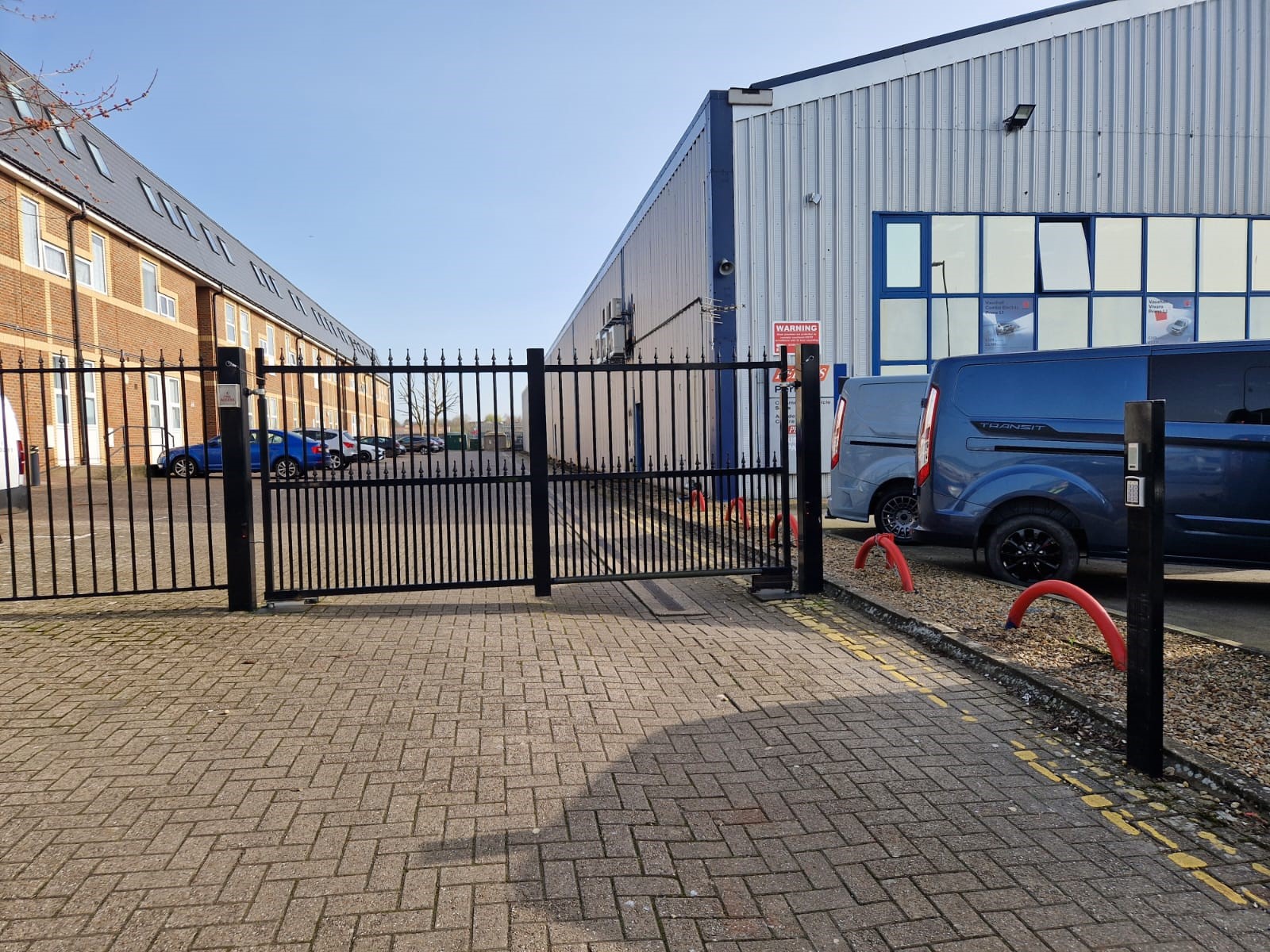
    Metal gate with automation
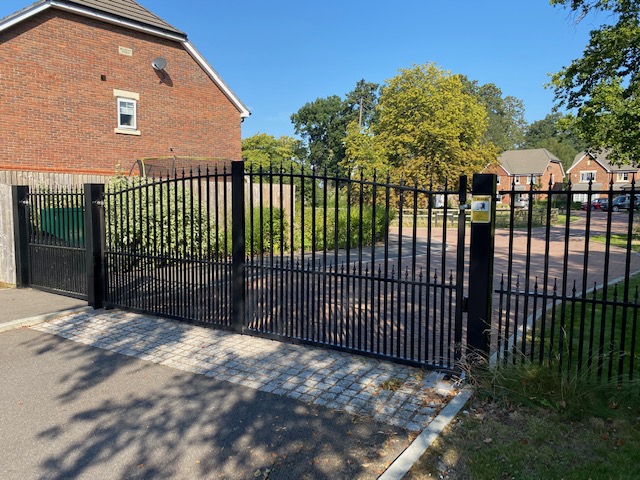
    metal gate residential

    DIY vs Professional Installation

    With increasing online tutorials and supplier packages, some property owners consider DIY installation. With so many videos available to watch the temptation is that it could seem easy to install a new automated gate. However, automated gate systems are complex mechanical and electrical structures so it is always advisable to have a professional install and maintain your system.

    Risks of DIY Installation

    As with installing any electronic device of application there are many risks involved – and automated gates are no exception. Some of the most frequent issues include:

    Professional systems must undergo force testing and risk assessment before commissioning. Without proper certification, property owners may face issues with their insurance (with in some cases resulting in this being invalid), potential liability claims and also expensive corrective repairs.

    Choosing professional gate installation services ensures compliance, correct configuration and safe operation. In addition, if you are looking for a fully integrated security solution, experienced installers are also able to integrate systems with intercoms, CCTV and access control solutions where required.

    Maintenance Oversights

    Many overlook the importance of properly maintaining your automated gate but the installation is only the beginning. Many gate failures result from neglected maintenance rather than installation errors. Ensuing a proper servicing and maintenance plan is put into practice is the best way to improve the durability and longevity of your installation.

    Common Maintenance Mistakes

    As with owning and maintaining a car, gates need to be checked regularly with any issues being flagged up and dealt with. There are many things to avoid including:

    As automated gates include moving components they experience wear over time. Without routine inspections hinges can loosen, tracks can warp, safety sensors may misalign and motors can overheat.

    Ideally an annual service will be carried out and any minor issues fixed. This will help to keep your gates in fully working order for as long as possible as routine servicing extends lifespan and ensures safe operation.

    Integration Oversights

    As mentioned above, another overlooked factor involves system integration. To really elevate your security cover, automated gates often work alongside intercom systems, CCTV and access control systems. Failure to integrate correctly can lead to operational inefficiencies or security gaps – this is essentially a missed opportunity to provide a fully integrated security solution onsite.

    Some examples of how automated gates can be integrated with other security solutions are::

    Consulting access control advice ensures your automated gate functions seamlessly within a broader security strategy to provide best in class security coverage.

    Why Professional Planning Matters

    As with any project, the planning plays a vital role when avoiding automated gate installation mistakes. A structured installation process should include:

    1. Detailed site survey
    2. Risk assessment
    3. Gate type evaluation
    4. Compliance planning
    5. Professional installation
    6. Testing and commissioning
    7. Maintenance scheduling

    If each of these stages are completed it will reduce the likelihood of future issues. Working with specialists in professional gate installation ensures your investment delivers long-term value and reliable security, as well as peace of mind.

    Final Thoughts

    Automated gates are a valuable investment — but only when installed correctly.

    Avoiding automated gate installation mistakes protects your property, ensures compliance and prevents costly repairs down the line.

    From proper site preparation and correct gate selection to safety compliance and ongoing maintenance, each stage matters. Choosing professional installation and seeking expert advice ensures your automated gate system operates safely, efficiently and reliably for years to come.

    Whether you are looking to install a new automated gate, or need your existing gates serviced or repaired contact us today on 0118 978 3381 or you can arrange your free site survey. We cover Berkshire, Buckinghamshire, Surrey, Hampshire and Oxfordshire.

    Max Smith Picture

    Max Smith

    25th March 2026

    From studying for a Politics degree, Max took the less than obvious path into the environs of Security as a Locksmith back in 1985! Thirty plus years later, it’s a journey that has seen the achievement of NSI Gold accreditation for Intruder Alarms, Access Control & CCTV, plus the introduction of a sister company specialising in Gate Automation Solutions. With a wealth of both Engineering and management experience, Max has an active interest in the evolution of the Security Industry and its future direction.

    Website Built By Web Design SEO