
CCTV systems monitor and record activity, access control manages who can enter a property, and alarm systems alert you to security breaches. When combined, these solutions provide layered protection for homes, schools and businesses across the UK.
Security technology plays a crucial role in protecting people, property and assets. However, many organisations still ask: CCTV vs access control vs alarms — what’s the difference?
While these systems often work together, each serves a distinct purpose. Understanding their roles helps property owners choose the right solution, or combination, for their specific needs.
What Is a CCTV System and How Does It Work?
A CCTV (Closed-Circuit Television) system is designed to monitor and record activity within a defined area and is a great solution to choose if you want to continuously monitor your property. Camera technology has advanced significantly over the last few years and there are many solutions available on the market to suit your needs.
Modern CCTV systems typically include the following items:
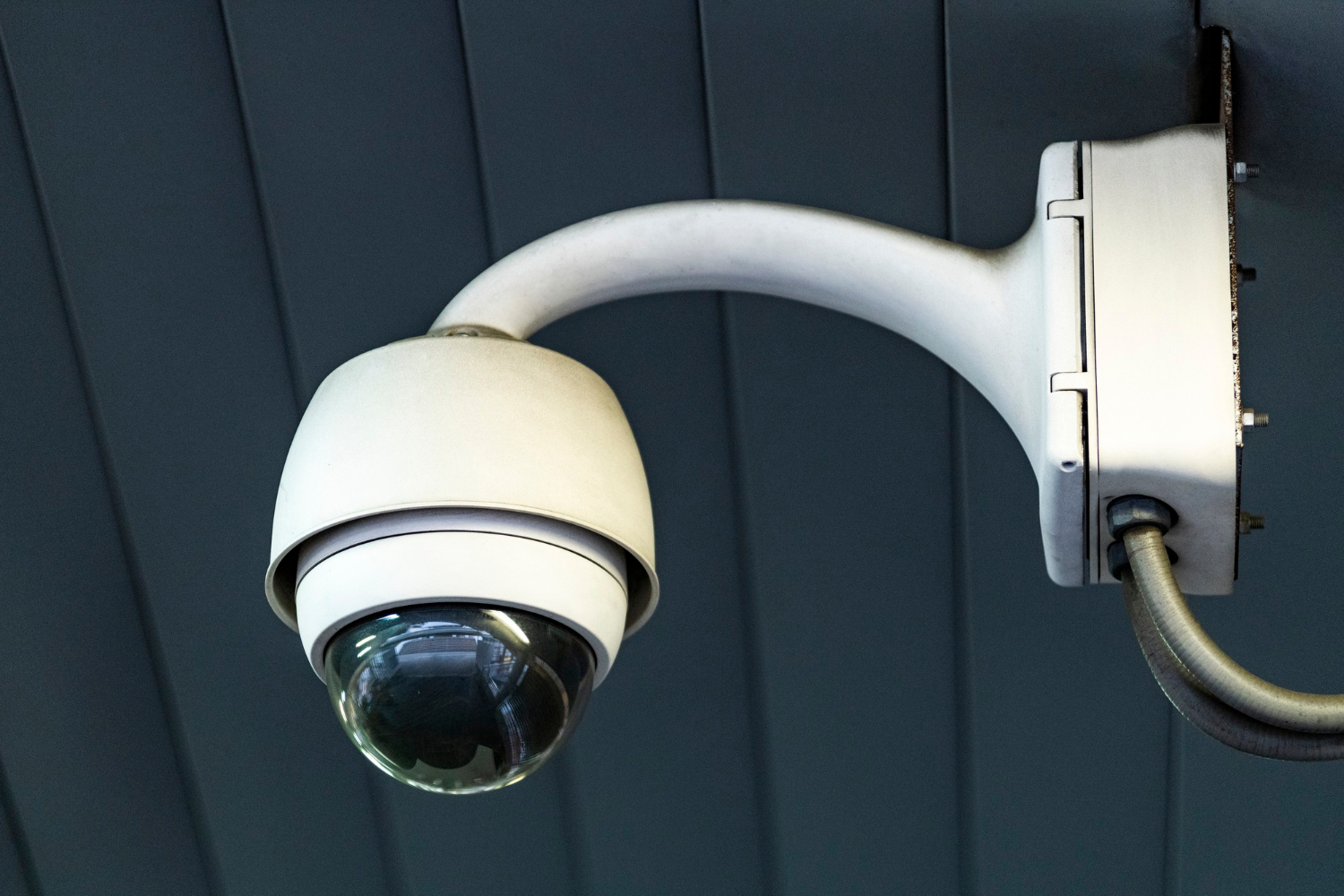
- Security cameras (fixed, PTZ or dome)
- Network video recorders (NVRs) or digital video recorders (DVRs)
- Cloud or on-site storage
- Remote viewing capability
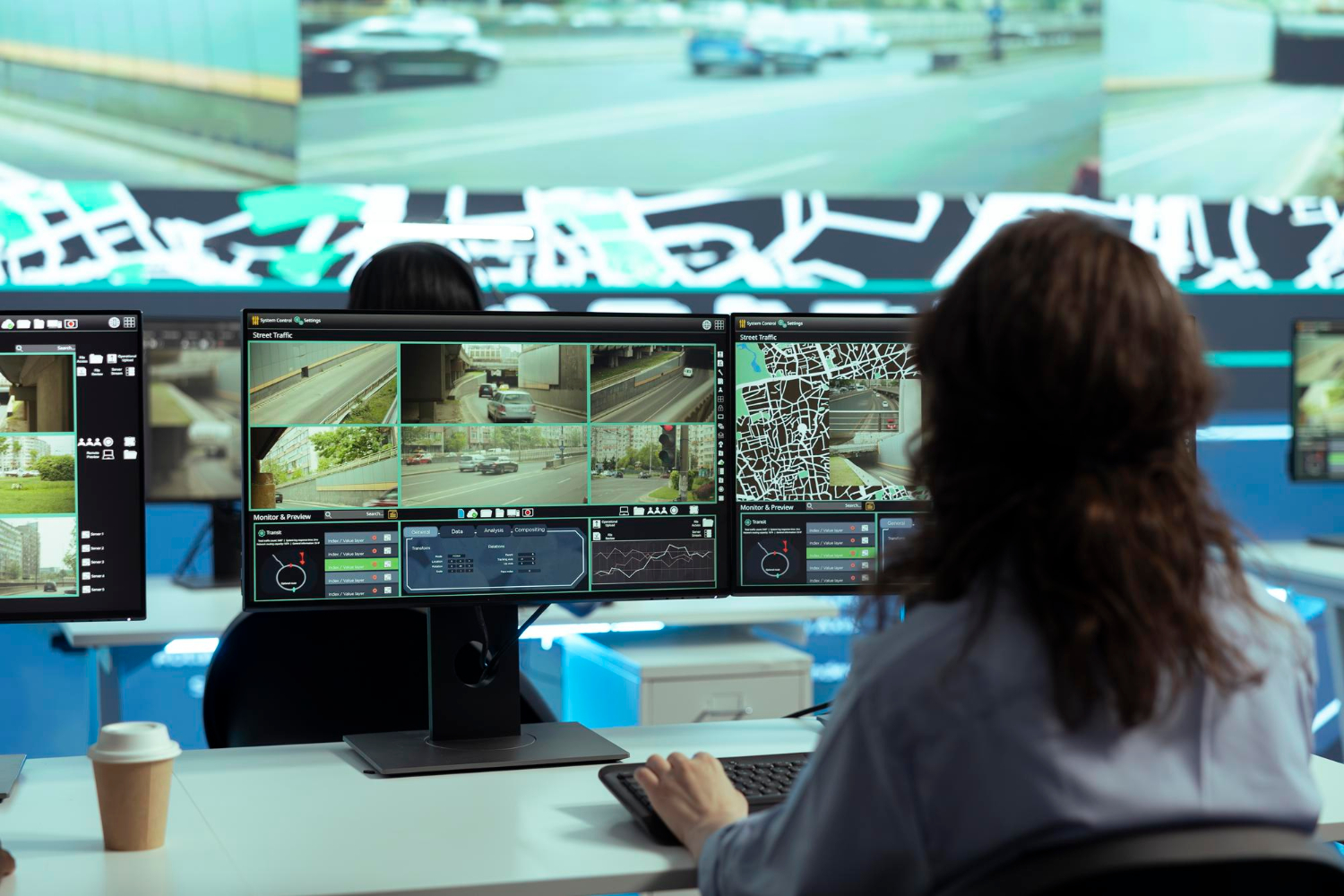
- Monitoring integration
It is always worth checking what is included in your system so ensure that expectations are met.
CCTV Outline
All CCTV cameras capture video footage and transmit it to recording devices which can be viewed live, or depending on the configuration, can be viewed as a recording. There have been many advances in the way that CCTV solutions can be accessed. Options include accessing the footage remotely via a smartphone or desktop. A great way to provide additional coverage is to integrate your CCTV with an alarm so that a warning is raised if there is a security breach.
The primary purpose of CCTV is that it provides a visual deterrence to any potential intruders but if there was a breach then the CCTV solution will collect the evidence which can be used to investigate any incident. If the set up and resource allows then real-time monitoring of high security sites provides an increased level of cover.
CCTV does not physically prevent entry. Instead, it provides visibility and documentation making it a reactive and investigative tool, though it also acts as a deterrent.
What Is Access Control?
Access control focuses on managing who can enter specific areas of a property. Unlike traditional keys, modern access control systems allow administrators to grant, restrict or revoke access permissions electronically.
Common Access Control Methods include the following:
- Key cards and fobs
- PIN keypads
- Biometric scanners (fingerprint or facial recognition)
- Mobile credentials
- Intercom entry systems
Access Control Outline
Access control has now become commonplace in the commercial and public sector to ensure that personnel don’t gain unauthorised access on site. When a user presents credentials, the system verifies authorisation and either unlocks or denies access. There are many permission levels that can be customised on an access control system including individual, department, time of day and specific zones.
The primary purpose of access control is undoubtedly to prevent unauthorised entry. However there are many other benefits including tracking movement within a building, reducing reliance on physical keys and improving internal security.
The best way to look at how access control works is that it is proactive – it stops unauthorised access before it occurs and provides a record of who gained access where and when.