Digital Layers: CCTV & Access Control
While physical barriers slow intruders, a layered approach to security should also include digital systems. These solutions provide visibility and control and are an essential element to providing coverage. There are many solutions available but they key ones are CCTV and Access Control
CCTV Surveillance
CCTV has become more prevalent in recent years with significant advances in the camera and monitoring technology. By installing modern CCTV surveillance systems it enables real-time monitoring and remote viewing both of which improve the level of security and the management of the site. It also improves incident recording and evidence collection so is an essential part of a layered security plan. If required there are solutions that provide facial or licence plate recognition (where appropriate) which can improve access but also can provide evidence if needed.
Cameras positioned at entry points, car parks, corridors and sensitive areas provide comprehensive coverage and all blind spots should be considered when installing any CCTV system.
Above all else, CCTV acts as both a deterrent and a detection tool particularly when integrated with alarms or access systems. It is an essential part of providing a high level of security to any given facility.
Access Control Systems
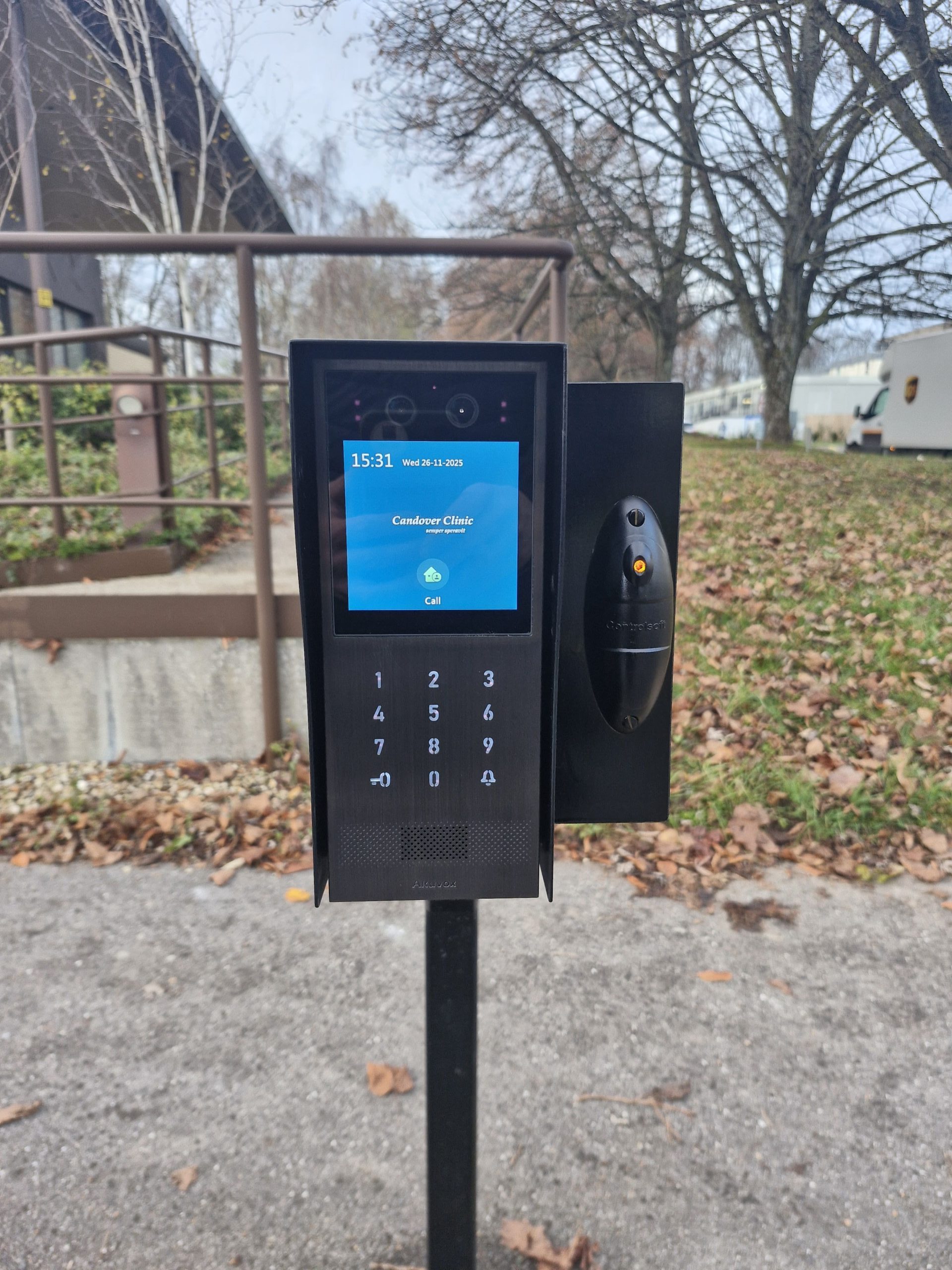
Access control adds another digital layer by managing who can enter specific areas on site. There are many different solutions available on the market including:
- Key card readers
- Biometric systems
- Keypads
- Mobile access credentials
- Timed permissions
As a replacement for issuing physical keys (which can be challenging to manage and track), organisations can manage access permissions centrally and revoke them instantly as and when required. It also provides a digital trail of who has accessed the buildings, and certain zones and areas if ever needed.
Access control reduces internal threats, tracks movement and limits unauthorised access to restricted zones and is an essential part of a layered security installation.
Detection Layers: Alarms & Sensors
Detection is critical. Even the strongest physical barrier can eventually be breached. Installing a quality alarm, which is serviced regularly, results in rapid intervention when needed. There are many solutions available so knowing the type of coverage you need is essential to selecting the correct alarm.
Alarm Detection Systems
Over the last few years there has been an influx of alarm solutions. However ensuring that you have the correct level of coverage some of the options include:
- Intruder alarms
- Motion sensors
- Door and window contact sensors
- Glass break detectors
- Vibration sensors
- Perimeter detection systems
When triggered, there are many ways an alarm can sound. Initially the on-site personnel can be alerted. As an additional layer, where relevant monitoring centres can be notified. CCTV recording can be activated and audible sirens can be triggered. If needed, and the system is in place, emergency services can be notified and action taken.
The purpose of detection layers is to shorten response time and limit potential loss.
Smart Integration
When integrated properly, detection systems can work alongside CCTV and access control which enhance the level of security onsite. For example motion detection triggers camera focus, forced entry attempts activate both alarms and recording and unauthorised access attempts generate alerts.
By looking at how each of your security systems can integrate with each other strengthens the entire layered system. This will provide an unrivalled level of security as the systems will work together to respond effectively to any issues.
Real-World Layered Examples
We have outlined the theory of why a layered approach to security is effective as well as some of the solutions that make up this approach, however seeing layered security in practice demonstrates its effectiveness. We have therefore outlined some example installation use cases to show this is put in to practice:-
Example 1: Industrial Warehouse
Layer 1: Perimeter fencing and reinforced vehicle gates
Layer 2: Access-controlled entry doors
Layer 3: CCTV covering loading bays and internal aisles
Layer 4: Motion-triggered intruder alarms
Layer 5: Remote monitoring centre response
If an intruder bypasses the perimeter, access control restricts internal movement. If entry is forced, alarms activate and CCTV records the event. Multiple safeguards operate simultaneously.
Example 2: Commercial Office Building
Layer 1: Secure lobby entry with reception
Layer 2: Card access to lifts and office floors
Layer 3: CCTV in common areas
Layer 4: After-hours intruder alarm system
This layered structure protects both employees and assets while maintaining smooth day-to-day operations.
Example 3: Small Retail Premises
Layer 1: Security shutters
Layer 2: Internal CCTV coverage
Layer 3: Monitored alarm detection system
Even smaller sites benefit from layering. The principle applies regardless of size.
Why Single-System Protection Falls Short
Relying on only one system, such as CCTV, creates risk. It results in there being one single point of failure which might fall short of protecting your site and people. Issues include:
- Cameras only record incidents but do not physically prevent entry.
- Alarms notify owners but may activate too late without delay measures.
- Physical barriers can be breached if not monitored.
Having a layered security approach reduces dependency on any one component. If one layer fails, others remain operational.This redundancy is what makes layered security systems more effective and resilient and something that Security Control Systems advocate as best practice.
Cost vs Risk Consideration
The perception is that choosing this type of solution incurs increased costs however it is a case of weighing up the cost versus the risk. Some organisations hesitate due to the perceived cost increases, however, layering often reduces long-term financial risk. If assets and people are kept as secure as possible then the benefits include:
- Lower insurance claims
- Reduced theft and damage losses
- Improved staff safety
- Faster incident resolution
- Demonstrable due diligence
Rather than increasing unnecessary expense, layered security distributes protection intelligently based on risk exposure. Building out a case for increasing the layers of security is the most effective way or validating the costs versus risk. With Martyn’s Law due to come into effect in the not too distant future this approach will help to ensure that those requirements are met.
Final Thoughts
No single system can provide complete protection. Criminal tactics are evolving, and vulnerabilities exist wherever protection relies on one solution alone.
Layered security systems create depth, resilience and accountability. By combining physical barriers, digital surveillance and responsive alarm detection systems, organisations build a security structure designed to deter, detect and defend.
A properly implemented layered security approach does not just protect assets — it protects people, operations and long-term stability.
If you would like to discuss how Security Control Systems can help you with your layered security please don’t hesitate to contact us on 0118 9783381 or email info@scssecure.co.uk.