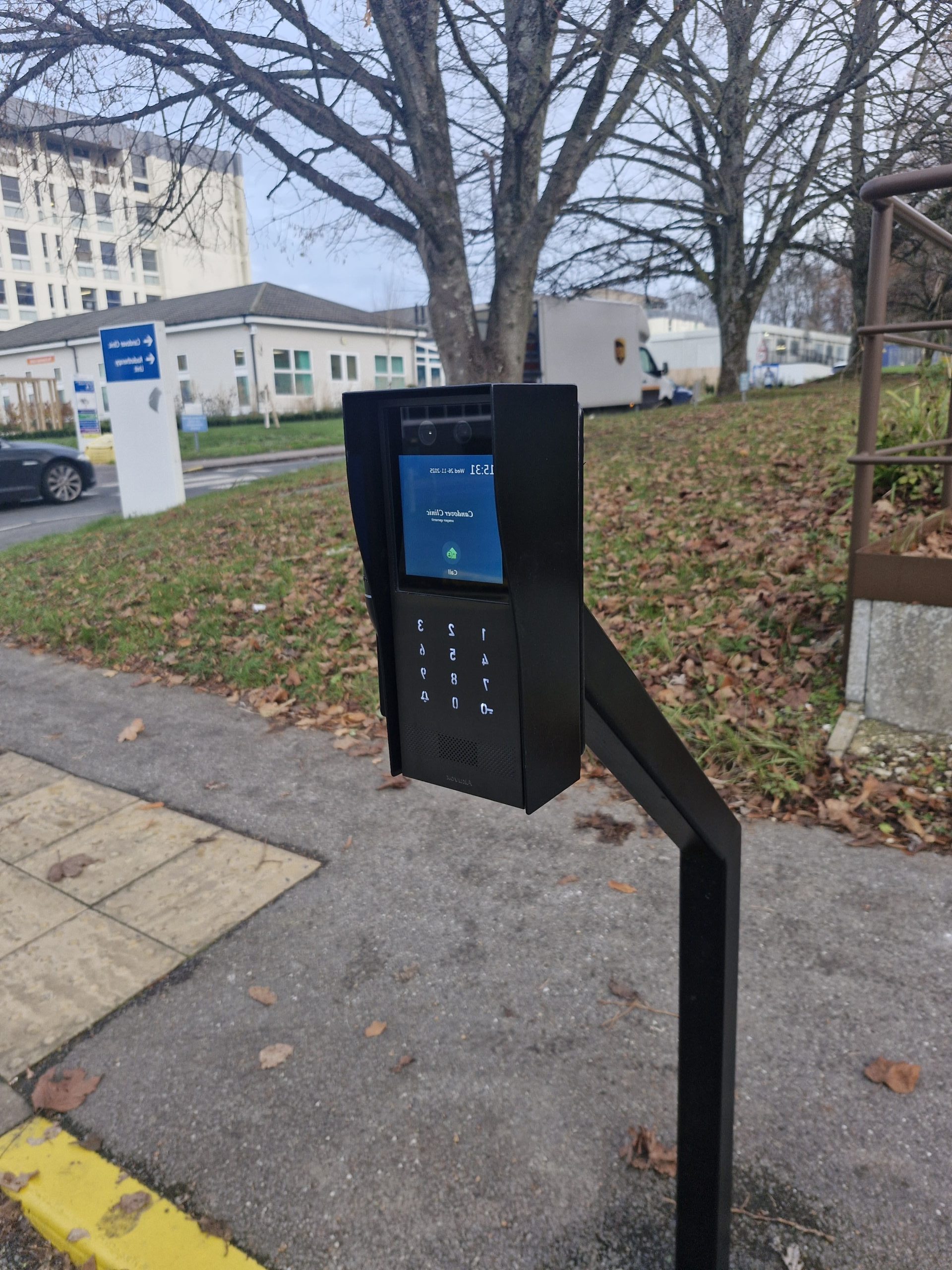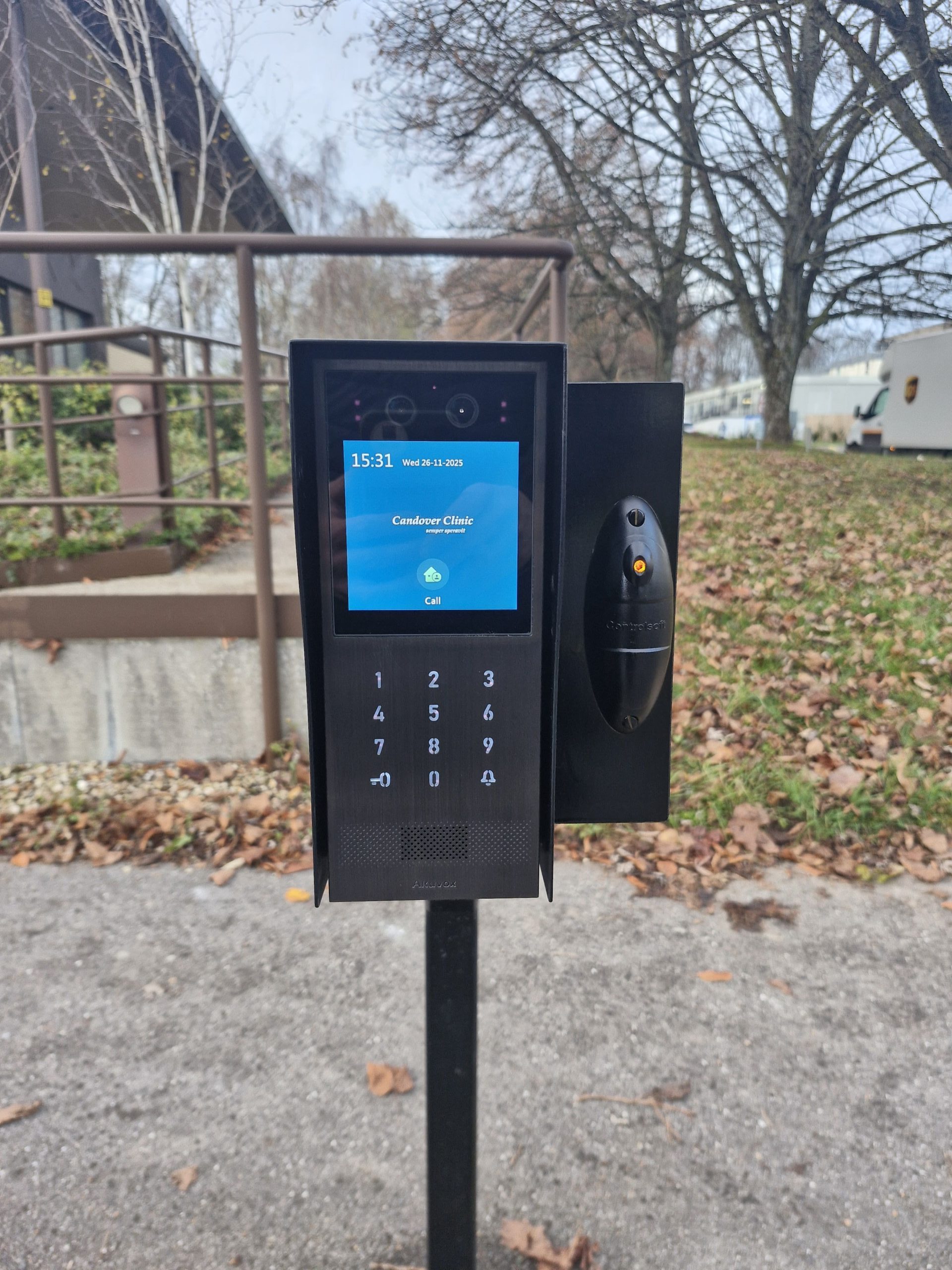
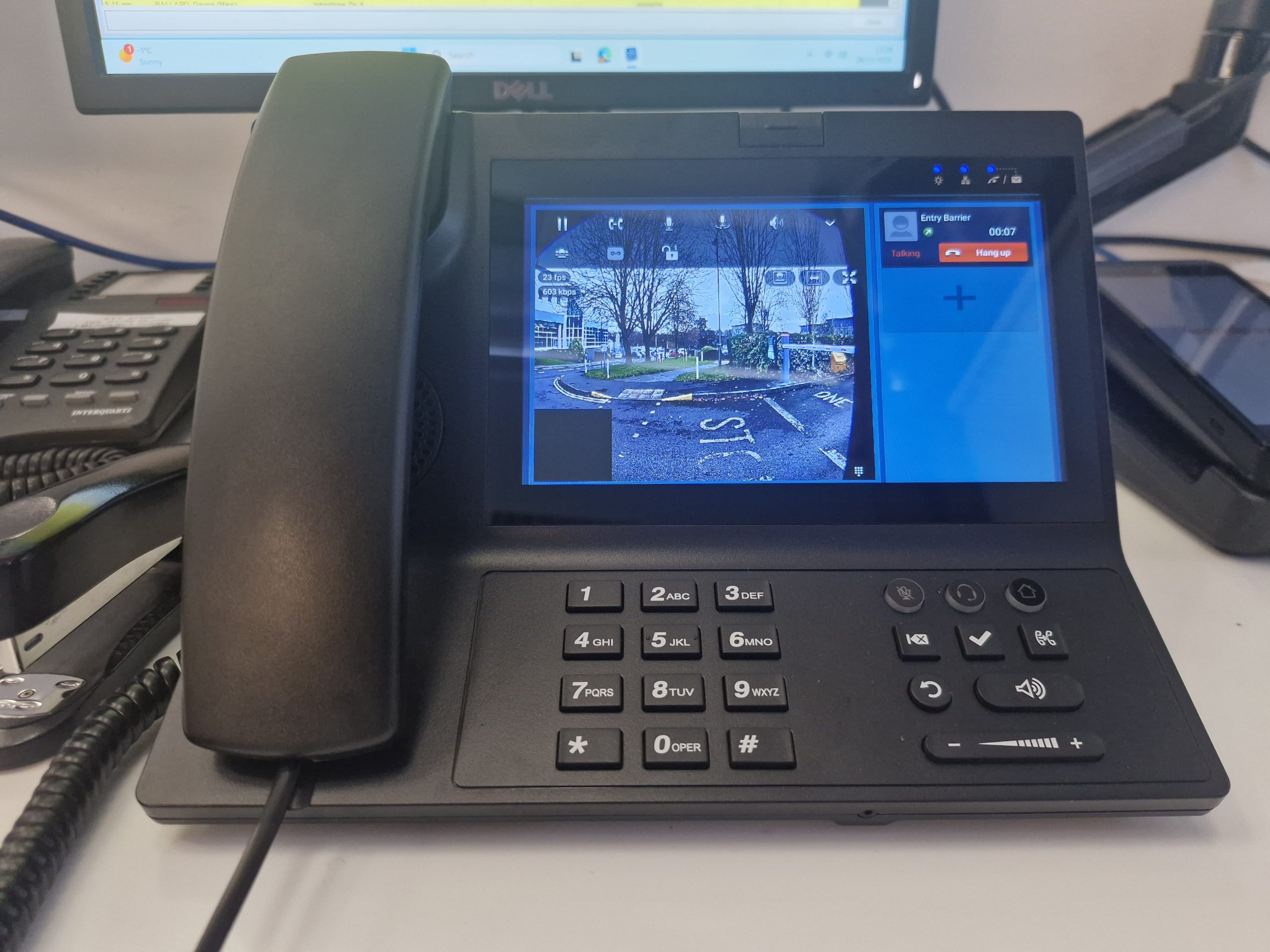

Video intercom systems enhance security by adding visual verification to visitor communication. Unlike audio-only systems, video intercoms allow property owners, facilities managers and security teams to see who is at the entrance before granting access – significantly reducing risk and improving overall site security.
Across the UK, expectations around building security have evolved. Whether in commercial offices, residential developments, schools, healthcare facilities or industrial premises, organisations now require smarter, more accountable access control. As a result, traditional audio-only intercoms are steadily being replaced by modern video intercom systems that offer visibility, integration and compliance-ready functionality.
Audio Intercoms – reliable option
Audio intercoms were once considered sufficient for controlled entry and still provide a certain level of security . However, in today’s risk-aware environment, opting to have a solution that includes video would provide additional peace of mind.
1. No Visual Verification
Audio-only systems rely entirely on voice recognition. This presents clear vulnerabilities:
- Individuals can impersonate authorised visitors.
- Staff may feel pressured to grant access without certainty.
- There is no visual confirmation of identity or behaviour.
In multi-occupancy buildings and high-footfall sites, relying solely on voice communication creates avoidable security gaps.
2. Lack of Evidence and Audit Trail
Most legacy audio systems do not record conversations or provide detailed logs. This means that incidents cannot be reviewed accurately, disputes are difficult to resolve and there is limited accountability for access decisions.
For organisations subject to compliance requirements, this absence of documentation is a growing concern so should be a key consideration when selecting which type of intercom to install.
3. Limited Integration Capabilities
Traditional audio intercoms are typically standalone systems with minimal connectivity. They work well as a basic function but lack any integration with CCTV or other security solutions. In addition remote management and cloud access are available and there is limited scalability:
As buildings move towards smart infrastructure, the limitations of audio-only systems become apparent. They do serve a purpose as an entry level solution if budget is a driving factor.
Advantages of Video Intercoms
The Advantages of Video Intercoms extend far beyond simply adding a camera. Modern systems combine visual verification, remote management and seamless integration into a single security solution.
1. Real-Time Visual Confirmation
The most immediate benefit is the ability to see visitors before granting entry. This:
- Reduces social engineering risks
- Improves confidence in access decisions
- Deters unauthorised attempts
- Provides a visual record of interactions
Security staff can verify identification badges, delivery credentials or suspicious behaviour before unlocking doors.
2. Integration with Access Control and CCTV
Modern video intercom systems integrate with many different solutions which make a great option for more of a fully integrated security solution. Integration options include:
- Electronic access control systems
- CCTV platforms
- Alarm systems
- Building management systems
This creates a unified security ecosystem rather than isolated components.
3. Remote Access and Mobile Management
Many systems now support cloud connectivity, allowing authorised personnel to view live video feeds remotely. In addition, doors and entry points can be unlocked via a smartphone, instant visitor notifications can be set up and temporary access management handled with ease.
For property managers overseeing multiple sites, this significantly improves operational efficiency.
4. Recording and Incident Investigation
Some intercom solutions offer built-in recording or integrate directly with CCTV systems, enabling:
- Time-stamped video playback
- Secure storage
- Incident documentation
This strengthens investigation processes and supports insurance or legal compliance. If the use case of having an intercom needs to ensure that a record is made of who entered the facility this this type of solution is key.
5. Visible Deterrence
Yes it’s true – the presence of a camera at an entry point acts as a psychological deterrent. Individuals are less likely to attempt unauthorised access when they know they are being recorded.
Installation Considerations
Before installing or upgrading to a video intercom solution, several practical factors should be assessed. For ease these have been listed below:
Infrastructure Requirements
- Power supply availability
- Network connectivity (wired or wireless)
- Broadband capacity for cloud-based systems
- Compatibility with existing access control
Environmental Conditions
Outdoor installations should include:
- Weather-resistant housing
- Vandal-resistant construction
- Infrared or low-light capability
- Wide-angle viewing
Building Type
Multi-tenant buildings may require:
- Digital name directories
- Multiple user access management
- Integration with concierge or reception systems
Single-entry commercial premises may prioritise integration with existing access control and alarm systems so this is definitely something to consider as part of your security coverage.
Future Scalability
Choose systems that allow:
- Expansion to additional entry points
- Software updates
- AI-based features
- Integration with smart building platforms
Future-proofing ensures long-term return on investment.
Privacy and Compliance
With enhanced video capability comes responsibility. Organisations in the UK must consider privacy regulations, including obligations under the UK GDPR and data protection legislation. In addition, as Martyn’s Law starts to come into effect ensuring compliance will be essential.
Data Protection Responsibilities
Data and personal information obviously needs to be handed in the right way. Video recordings may be considered personal data so organisations must establish lawful processing grounds, limit access to authorised personnel and ensure secure storage. Having a process and policy in place for the processing of personal data and should be part of any comprehensive security plan.
Retention Policies
If footage is recorded it is best practice to establish the following:
- Define clear retention periods
- Avoid excessive data storage
- Implement encrypted systems
This should be clearly documented in an accessible area so visitors to the property understand the policy.
Transparency and Signage
Clear signage indicating video monitoring is essential. This supports transparency and compliance with regulatory guidance.
Balancing security with privacy protects both organisations and individuals.
Choosing the Right System
Selecting the appropriate video intercom system depends on site requirements, risk exposure and integration needs. To help with your selection, we have compiled the following key evaluation criteria:
Key Evaluation Criteria
- High-definition video quality
- Night vision or low-light performance
- Integration capability with CCTV and access control
- Cloud or on-premises storage options
- Cybersecurity features
- Ease of use and remote access functionality
Businesses upgrading from audio-only systems should consult specialists in video intercoms to ensure correct system design and installation.